Viewer behavior trends are becoming harder for esports organizations to treat as background data. Stream Hatchet’s 2025 esports report, published through Nasdaq, says esports tournaments generated 2.7 billion hours watched across 1,900 tracked events, while co-streaming accounted for 52.9% of all esports hours watched according to the Stream Hatchet report. That is not just a broadcast statistic. It changes how teams, leagues, sponsors, and creators should think about the path between a match and a fan.
The old model was simpler: send fans to the official stream, sell broadcast inventory, post clips afterward, and measure success by peak numbers. That model still matters, but it no longer explains how many viewers actually experience competitive gaming. A growing share of the audience watches through creator commentary, mobile-first events, and branded tournament properties. For esports organizations, the lesson is not to chase every platform trend. It is to understand where trust, habit, and competitive stakes meet.
Viewer Behavior Trends Reshape Esports Planning
Viewer Behavior Trends Start With Scale
The first signal is the size of the viewing market. The 2.7 billion hours watched figure gives organizations a large base to study, but the more useful part is the split inside that total. League of Legends and Counter-Strike together made up nearly 45% of esports viewership in 2025, reaching 1.2 billion hours watched, according to the same Stream Hatchet report. That concentration matters because it tells teams that category leaders still set viewing expectations for everyone else.
For organizations outside those two ecosystems, the takeaway is not that smaller titles lack value. It is that fans are trained by the biggest esports products to expect clear stakes, readable storylines, reliable schedules, and strong broadcast personalities. A smaller team in a fighting game, shooter, mobile title, or sim-racing scene can still build loyalty, but it has less margin for confusing communication. If a fan needs three posts and a Discord ping to find the match, that viewer may simply go where the viewing path is cleaner.
The Title Split Still Matters
Title concentration also affects sponsor strategy. A sponsor buying into a League of Legends or Counter-Strike program is buying into known audience habits. A sponsor entering a smaller competitive scene may need more education, more creator support, and more community-specific activation. That does not make the second option weaker. It makes the execution different.
This is where viewer behavior trends should change internal planning. Organizations often talk about audience size, but audience shape can be more useful. A smaller community that watches every qualifier, follows player streams, and recognizes staff members may offer more durable value than a larger crowd that only appears for finals. Teams need to separate reach from attachment.
Co-Streaming Is Now Core Distribution
Creator Rooms Change The Broadcast Contract
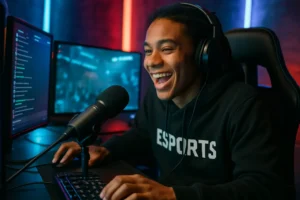
Co-streaming passing half of all esports hours watched in 2025 is the clearest strategic shift in the research. Official broadcasts still carry the competitive product, but creators often provide the social room around it. Viewers are not only watching the match. They are watching with someone whose reactions, jokes, grudges, and game knowledge shape the experience.
That puts esports organizations in a different media position. A team cannot assume its official channel is the main front door for every fan. The front door may be a retired pro’s stream, a regional caster’s watch party, a creator who follows one player, or a variety streamer who only appears for major events. The fan relationship may begin outside the team’s owned channels.
That reality can be uncomfortable for organizations built around tight message control. But treating co-streamers as a threat misses the audience behavior. The better question is which creators help viewers understand why a match matters. Good co-streaming does not replace the official feed; it can explain context that a neutral broadcast may not have time to cover.
What Orgs Should Measure
Organizations should judge creator partnerships by more than raw concurrent viewers. A creator with a smaller audience can still be valuable if that audience returns weekly, asks informed questions, buys team merchandise responsibly, or joins community events. For more on how creator strategy has been shifting with audience habits, our earlier coverage of research on viewer behavior covers why scheduling and format choices matter beyond headline numbers.
- How many viewers return across multiple match days?
- Do creator audiences follow the team after the event ends?
- Are chat conversations focused on the match, the players, or only the creator?
- Can the team support co-streams with assets, interviews, or context without scripting them?
The last point is key. Creator audiences usually spot forced sponsor reads and stiff team messaging quickly. Esports fans are used to informal media. If the partnership feels like a broadcast ad wearing a hoodie, the audience will treat it that way.
Mobile And Brand-Led Events Change The Audience Map
Mobile Average Shows A Different Ceiling
Mobile esports remains one of the most useful areas for teams to study because it challenges long-running assumptions about what a competitive audience looks like. Stream Hatchet reported that mobile esports events averaged 42,400 viewers per tournament in 2025, ahead of the 38,300 average for non-mobile events. That does not mean every mobile title is stronger than every PC or console title. It does suggest that mobile competition is not a side category in global audience behavior.
For organizations with international ambitions, mobile viewership should shape scouting, content language, and community timing. A team may find that its most engaged fans are not watching from the same region as its headquarters, or even from the same platform culture its staff knows best. The mistake would be treating mobile esports as a cheaper branch of traditional esports. The audience has its own habits, heroes, and expectations.
Brand-Headlined Events Need Community Fit
The report also says brand-headlined events from companies such as BLAST, StarLadder, BetBoom, and Red Bull accounted for 27.9% of all esports hours watched in 2025. That number should get attention inside sponsorship departments, but not because every brand should run a tournament. It shows that viewers will accept brand-led competition when the event has credibility, production clarity, and a reason to exist within the scene.
For teams, the practical lesson is to be selective. A sponsor logo on a jersey is one thing. A sponsor shaping a competitive format, content series, or community event needs a stronger fit. Fans can support commercial backing when it helps the scene. They push back when it feels detached from the game or the players.
There is also a production angle here. Branded events create more touchpoints for teams, creators, and broadcast crews, which means the fan experience depends on planning that viewers rarely see. Readers interested in that side of the business can compare these audience shifts with our piece on esports event production. The sponsor may fund the stage, but the format and show flow still decide whether fans stay.
Gen Z Viewing Is Wider Than Player Bases
Watching Without Playing Is A Real Signal
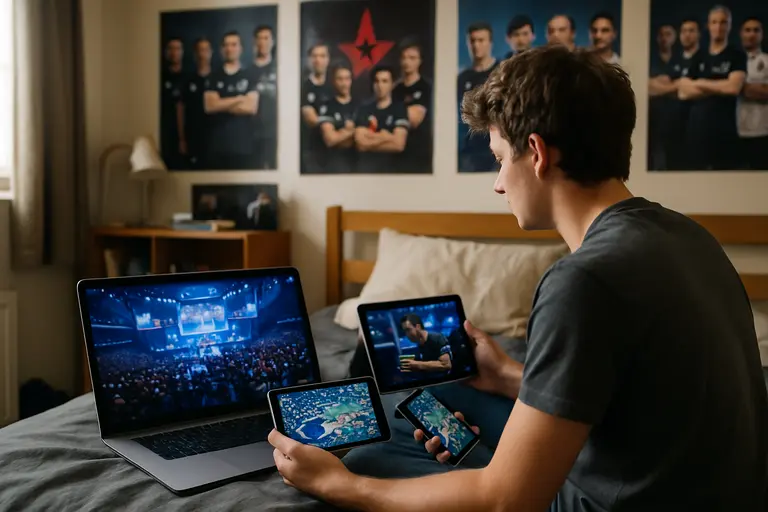
Gen Z data adds another layer. Strafe reported on research finding that roughly 400 million Gen Z consumers, or 20% of the generation, regularly engage with esports, and that 24% of engaged esports viewers watch competitive titles they do not play themselves according to the Strafe audience study. That second figure deserves more attention from teams than it often gets.
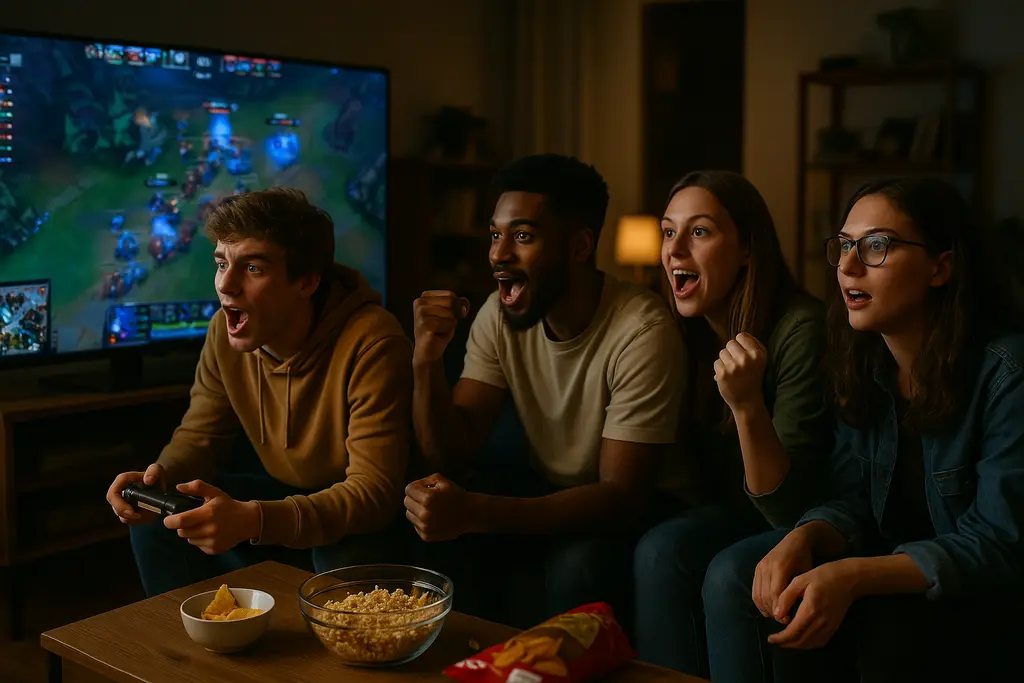
If nearly a quarter of engaged viewers are watching games they do not play, then esports is not only a conversion funnel from player to spectator. It is also entertainment that can stand on its own. A viewer may not play Counter-Strike but still understand tension, economy pressure, crowd energy, and rivalry. A viewer may not play League of Legends but still follow a star player, a regional league, or a creator’s watch party.
This changes content priorities. Teams should not assume every viewer knows the patch, map pool, agent meta, champion picks, or tournament format. Explainers do not need to be basic or patronizing. They need to respect the smart fan who watches often but does not grind ranked every night.
Sponsorship Needs Credibility
For sponsors, Gen Z viewing behavior raises the bar. Younger fans have grown up around creator ads, stream overlays, branded segments, and short-form clips. They are not shocked by commercial activity. They are also quick to judge whether a brand understands the scene.
That means teams should protect community trust when building sponsor packages. The safest long-term play is not the loudest integration. It is the one fans accept as useful, funny, informative, or connected to the team’s identity. A practice-room feature, a player Q&A, a watch-party segment, or a community tournament can work if it fits the audience. A generic ad read during a tense map point rarely does.
What Viewer Behavior Trends Mean For Esports Orgs
The main lesson from these viewer behavior trends is that esports organizations should stop treating distribution as a single-channel problem. The audience is split across official streams, co-streams, mobile events, creator communities, branded tournaments, and fans who may not even play the game they watch. That does not weaken esports. It makes lazy audience assumptions more expensive.
Teams that adjust well will likely share a few habits. They will give co-streamers useful context without trying to control every sentence. They will build content for viewers who understand competition but may not know every mechanic. They will treat mobile esports as a serious audience category. They will ask sponsors to support community behavior instead of interrupting it.
The sharper organizations will also compare match-day numbers with retention. A one-day spike can help a deck, but repeat viewing builds a fan base. If viewer behavior trends are telling us anything, it is that fans follow trust as much as they follow tournaments. The teams that understand where that trust lives will make better media decisions than the teams still waiting for everyone to show up on the official channel.