Esports Creator Budgets are no longer a side conversation for many U.S. organizations. As of October 13, 2026, the shift is less about abandoning competition and more about changing what competition is expected to do financially. Rosters still create status, social proof, and match-day attention, but creator operations now sit closer to revenue planning because they can serve sponsors every week, not only during tournament windows.
That matters in a market where team-level economics remain uneven. Public reporting on exact U.S. org-by-org creator spending is still limited, so any clean ranking of budgets would be guesswork. What can be supported is the direction: teams are treating creators as media assets, sales inventory, and community anchors. For insights into the gaming landscape from a player-focused perspective, see related stories on Hexiled Gaming.
Why Esports Creator Budgets Moved Up The Org Chart
Esports Creator Budgets As A Business Unit
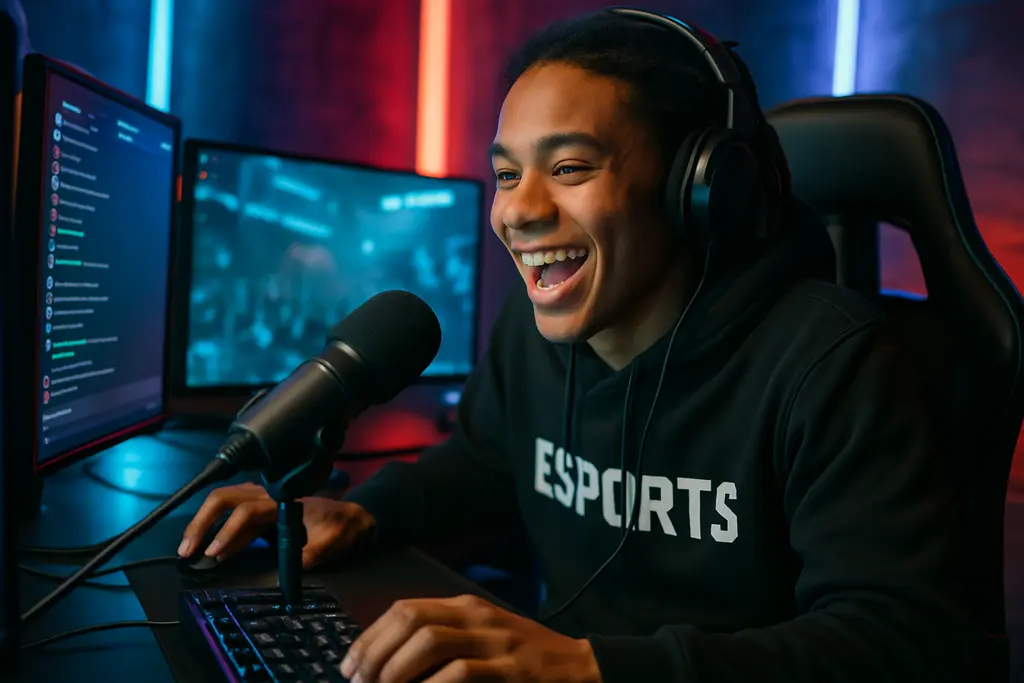
For years, content inside esports organizations often looked like support work for rosters: match-day vlogs, player interviews, sponsor shoots, and social clips built around competitive calendars. The newer model treats creator operations as a business unit with its own calendar, deliverables, and sales logic. Esports Creator Budgets now fund recurring videos, livestream appearances, short-form campaigns, creator managers, editors, producers, and paid amplification around sponsor obligations.
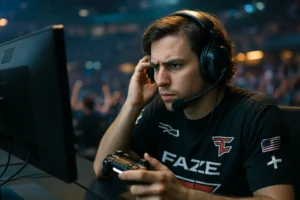
The reason is simple enough: creators can publish without waiting for a bracket. A team that misses playoffs may lose broadcast exposure, but a strong creator bench can still produce branded content, community shows, co-stream-style programming where rights allow it, and social campaigns. That does not make competitive rosters less valuable. It changes their role. A winning roster can still create the highest-emotion moments in an org’s year, but creators help keep the organization visible between those peaks.
Sponsorship Pressure Changed The Math
Sponsorship remains a central revenue pillar for esports teams, and the size of the largest packages explains why teams are building more predictable media output. LegalClarity reported on June 17, 2026, that top-tier U.S. teams can command about $2 million to $4 million per year for prime placements such as jersey or naming rights, while secondary hardware or tech sponsors can run about $750,000 to $1.5 million per year, according to LegalClarity’s profitability breakdown.
Those numbers put pressure on teams to show more than logo placement. Sponsors want repeatable proof that an org can move attention across YouTube, TikTok, Twitch, X, Instagram, Discord, and in-person activations. That is why creator spending competes so directly with traditional team spending. A creator team can be sold against campaign deliverables in a way that a single tournament result cannot be guaranteed. This is also where creator-led audiences start to shape brand identity, a tension we covered in our earlier analysis of esports brand identity under creator pressure.
What Public Filings Actually Show
FaZe Offers A Rare Public Marker
The esports sector still lacks the kind of regular public financial disclosure that makes traditional sports budgeting easy to compare. FaZe Clan remains one of the more useful U.S.-linked examples because its public-market process placed parts of its business model into formal filings. In its 2021 SEC materials, FaZe described content revenue growth, including creator licensing deals and revenue share tied to content streams, with content revenues increasing by $4 million year over year in the filing period shown in the FaZe SEC filing.
That disclosure should not be stretched beyond what it says. It does not prove every U.S. esports organization has the same revenue mix, nor does it show a standard creator budget ratio for the sector. It does, though, give a public example of why creator costs and creator revenue are connected. If an org signs, manages, and monetizes creators, payouts and licensing obligations are not a minor back-office issue. They become part of the operating model.
Why The Data Still Has Gaps
Most U.S. esports organizations remain private companies. They do not have to publish line-item spending on creators, player salaries, editors, production staff, agency fees, or sponsor fulfillment. Even when reports cite revenue shares from content creation and influencer marketing, readers should treat those figures as directional unless the organization itself has confirmed them. Research notes for this story cite estimates that content creation and influencer marketing now account for roughly 14% of esports team revenue, but that number should be read as a sector-level indicator rather than a verified budget sheet for any single team.
That uncertainty matters because creator operations vary widely. One organization may rely on a small group of high-reach streamers. Another may prefer a larger bench of mid-sized creators who can produce consistent sponsored segments. A third may build around owned shows, podcasts, documentary-style content, or tournament-adjacent programming. All of those strategies fall under creator spending, but the cost structure can look very different.
What Changes Inside A U.S. Team Budget

Creator Ops Compete With Roster Spend
Esports Creator Budgets affect the internal debate over what an org is buying when it spends money. A roster budget buys competitive upside, league or circuit relevance, player fandom, and sponsor credibility. A creator budget buys publishing volume, personality-led retention, and campaign inventory. The sharpest organizations are not treating those categories as enemies. They are asking how each dollar supports attention that can be sold without weakening competitive credibility.
This is where the community can feel the tradeoff. If fans believe creator investment comes at the cost of serious roster building, backlash can be immediate. Supporters do not want their team to become a generic content house with a jersey attached. At the same time, many fans spend more hours with creators than with official match broadcasts. That reality gives orgs a reason to place creator strategy near the center of the business rather than leaving it to occasional uploads.
The Community Tradeoff
The strongest creator strategy usually respects the team’s competitive identity. A content creator who understands the game, the fan base, and the org’s history can extend the team’s voice without making supporters feel sold to. A creator who is dropped into a campaign with no connection to the community can have the opposite effect. That is why hiring based only on follower count can be risky. Audience fit, posting consistency, sponsor comfort, and game credibility all matter.
There is also a labor question. Creator spending is not just the fee paid to the on-camera person. It can include editors, thumbnail artists, channel managers, producers, sponsorship sales staff, paid media, travel, legal review, revenue-share accounting, and platform management. Once those costs are included, creator operations start looking less like a marketing add-on and more like a media department inside the org.
U.S. Orgs And Esports Creator Budgets
The Practical Read For 2026
The practical read is that Esports Creator Budgets have become a hedge against competitive volatility. A team cannot guarantee trophies, playoff qualification, or favorable meta shifts. It can plan creator output, sponsor integrations, community programming, and platform-specific campaigns with far more control. That predictability is valuable to sponsors and to executives trying to smooth revenue across the calendar.
Still, the shift has limits. Creator spending cannot replace meaningful competition for organizations whose fan bases were built around winning. It also cannot fix weak sponsor strategy, poor community management, or unclear brand positioning. The best-supported conclusion from the available research is narrower: U.S. esports organizations are moving creator operations closer to the center of budget planning because content can generate repeatable sponsor value, while public data on exact budget allocations remains too thin for firm org-by-org comparisons.