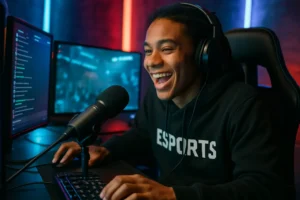
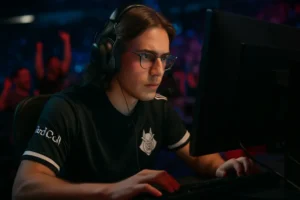
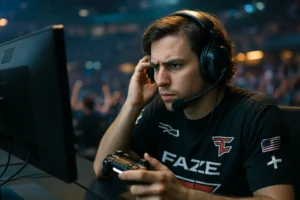
Esports brand identity has become one of the harder problems for competitive organizations in 2026. The issue is not just whether a team can win matches, sell jerseys, or sign creators. It is whether the name on the banner still means something when fan attention often follows individual streamers, short-form clips, and personality-led communities faster than it follows a club’s competitive record.
That shift lands at a difficult time for the business side of esports. Many organizations are still trying to correct years of spending built around audience growth rather than stable profit. LegalClarity’s review of esports profitability notes that many teams have posted losses, exited leagues, or shut down, while profitability remains out of reach for much of the sector, with sponsorship still carrying a heavy share of revenue through deals such as naming rights and primary jersey placements LegalClarity’s esports profitability analysis. That does not make creator programs a mistake. It does make them harder to fold into a team brand without turning the organization into a loose collection of accounts.
Why Esports brand identity Is Under Strain
Esports brand identity After The Creator Shift
The creator economy has changed the fan relationship. Traditional esports branding asked supporters to buy into a club, its competitive standards, its colors, and its story across titles. Creator-led fandom works differently. Viewers often build loyalty through direct access: a daily stream, a Discord community, a recurring bit, or a long-running personality arc. That connection can be stronger than the bond to an organization, especially when the creator’s voice feels more personal than a team campaign.
For organizations, this creates a tension that cannot be solved by signing more names. If every creator operates as a separate media property, the org receives reach but not always identity. If the org asks every creator to fit one corporate tone, the content can lose the reason fans watched in the first place. The challenge is to set a clear house style without sanding away the individual appeal that made the creator valuable.
Financial Pressure Narrows The Margin For Branding Errors
Brand work used to be treated by some organizations as a long-term visibility play. In 2026, the financial margin is thinner. A weak creator strategy can become expensive fast: guaranteed contracts, production costs, campaign commitments, and sponsor obligations all add up before an organization knows whether the audience will connect the creator’s success back to the team.
FaZe Clan remains the clearest warning sign in the research notes. The organization was valued at $725 million during its 2022 IPO, later saw a severe value drop, and was acquired for $17 million in March 2024, with reporting also pointing to a mass exit of its content creation roster in December 2025 Esports Legal News on FaZe Clan. The FaZe case should not be flattened into one easy lesson, but it does show how fragile a creator-heavy identity can become when market expectations, public-company pressure, and talent alignment break apart.
Creators Are Not A Replacement For Team Meaning
The Risk Of Renting Attention
A creator can bring a large audience to an organization, but that audience may remain loyal to the person rather than the badge. That distinction matters. If fans watch a creator’s stream, buy creator-linked merchandise, and follow creator-led social posts while barely caring about the club’s teams, the organization is renting attention instead of building durable equity.
This is where Esports brand identity becomes more than a marketing phrase. A club needs a reason for a creator to belong there. The strongest fit is not always the biggest account. It is the personality whose tone, games, community habits, and sponsor comfort match what the organization already claims to stand for. Without that fit, a signing can create a short spike and a long-term identity blur.
Roster Turnover Makes The Problem Worse
Competitive rosters already change often enough to test fan attachment. When a club also rotates creators, campaign looks, jersey sponsors, and content tone, supporters can struggle to describe what the organization actually is. Winning helps, but winning alone rarely holds a modern esports brand together across multiple titles and platforms.
That is why community design matters. Co-streams, watch parties, and creator-led match coverage can keep fans close to competitive play instead of separating content from results. MostPlays has tracked this shift in community co-streams, where tournament viewership is shaped less by one central broadcast and more by trusted local or creator voices. For teams, that pattern is both useful and risky: it expands reach, but it also means the team must earn its place inside conversations it does not fully control.
Platform Algorithms Reward Different Behavior
Virality Can Pull Against Competitive Values
Short-form platforms and recommendation feeds reward content that travels quickly. A dramatic reaction, a creator dispute, or a funny off-server clip may outperform a disciplined breakdown of a team’s macro play. That does not mean organizations should ignore viral formats. It does mean they need editorial judgment.
An esports org that chases every feed signal can start sounding like every other account. The result is homogenized branding: similar thumbnails, similar captions, similar meme timing, similar sponsor reads. Fans notice when a club’s voice feels interchangeable. The better approach is to treat algorithm-friendly content as packaging, not personality. The competitive core still needs to show through.
AI Design Tools Raise The Floor For Everyone
AI-assisted design tools have made polished branding easier for individual creators. This significantly alters the visual gap between creators and larger organizations. A streamer no longer needs a large creative department to present a coherent identity across overlays, thumbnails, social banners, and merchandise mockups. For teams, this removes one old advantage and stresses the importance of maintaining a unique identity. Readers interested in related topics can explore coverage at Cooler Master Gaming.
Sponsor Revenue Forces Clearer Choices
Brand Safety And Fan Trust Now Intersect
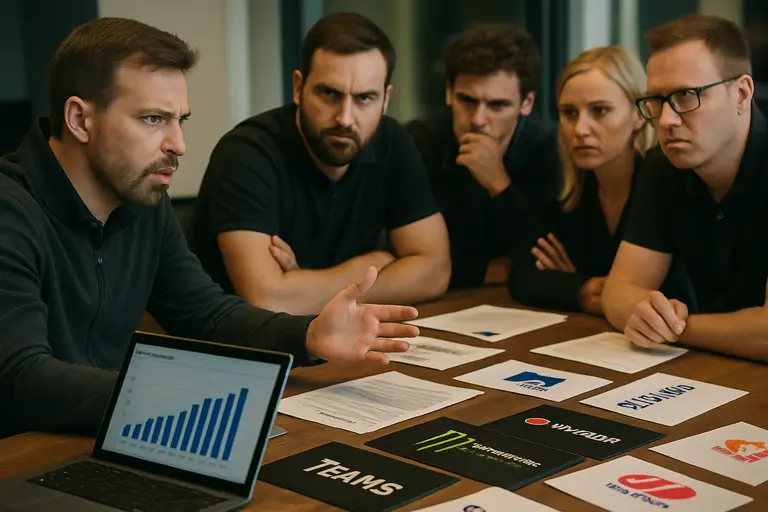
Sponsorship dependence puts pressure on every creator decision. A partner may want reach, clean messaging, and predictable content. Fans may want honesty, humor, and a creator who does not sound filtered by a campaign deck. Organizations sit between those needs. If they push creators too hard into sponsor-first content, engagement can drop. If they offer sponsors too little structure, the commercial model weakens.
This is why Esports brand identity needs rules that creators can understand before a deal is signed. Those rules should cover sponsor categories, tone, match-day expectations, community conduct, and how the creator appears alongside competitive teams. The goal is not to script every post. It is to prevent confusion about what the organization will and will not attach its name to.
Metrics Need To Move Past Raw Reach
Follower counts and view totals still matter, but they are incomplete. A creator who brings smaller numbers with strong community trust may do more for an esports organization than a larger personality whose audience never crosses into team content. The better question is whether creator activity strengthens the club’s long-term position.
That means tracking how viewers move between creator streams, team channels, match broadcasts, merchandise, memberships, sponsor activations, and community spaces. It also means listening to fan behavior rather than assuming every impression has equal value. MostPlays has covered this pressure through viewer behavior trends, especially around mobile viewing, co-streaming, and community-first sponsor work.
- Creator fit: Does the creator’s audience understand why this org partnership exists?
- Competitive connection: Does content bring fans closer to teams, players, matches, or club values?
- Revenue balance: Does the deal reduce sponsor dependence or deepen it without new upside?
- Platform risk: Can the creator relationship survive algorithm changes across major platforms?
Esports brand identity In 2026 Team Strategy
The Organizations That Can Still Stand Apart
The teams best positioned in the creator economy are not necessarily the ones with the largest creator rosters. They are the ones with a clear answer to a simple fan question: why should this person, this player, this sponsor, and this community all sit under the same name?
Esports brand identity in 2026 has to connect competitive ambition with creator culture without letting either side swallow the other. If the org becomes only a content label, match results lose emotional weight. If it stays only a results-based team brand, it may miss where younger fans spend their time. The durable model sits between those poles: creators who make the club feel human, teams that give the brand stakes, and business discipline that keeps both from becoming an expensive short-term experiment.