Streaming metrics in Q2 2026 pointed to a live-video market that grew in total hours while becoming harder to read platform by platform. Twitch did not collapse, Kick did not simply copy Twitch’s role, and YouTube’s gaming-specific category moved differently from broader YouTube Live. For esports teams, tournament organizers, and creators, the useful question is not which platform “won.” The sharper question is how audience behavior changed, and whether community engagement still matches the numbers being reported.
The headline figure was large: livestreaming reached about 31.4 billion hours watched across tracked platforms in Q2 2026, up 8% from Q1 and described by Streams Charts as the largest quarterly total it had recorded in its Q2 2026 livestreaming report. That record matters, but it can mislead esports operators if they treat total market growth as proof that every competitive broadcast, creator channel, or team-led show has more room to breathe. Growth at the category level can sit next to tougher discovery, fewer active channels, and heavier dependence on a small group of events or personalities.
Streaming Metrics Show A Split Market
Streaming Metrics And Platform Gravity
The platform split was the clearest warning sign for anyone building a content plan around old assumptions. In Q2 2026, Twitch hours watched fell 0.7% quarter-over-quarter and 8.3% year-over-year, while the rate of decline eased compared with earlier quarters. Kick, by contrast, grew 36.7% year-over-year to 1.34 billion hours watched, with unique streaming channels rising about 45.5% to roughly 807,700. YouTube Gaming dropped about 18.9% year-over-year to 1.79 billion hours watched, while broader YouTube Live grew about 18.0% year-over-year to nearly 12.97 billion hours, according to the Streamlabs and Hatchet Q2 2026 report.
Those figures make the competitive gaming read more complicated than a platform-rank chart. Twitch still carried deep cultural memory for esports communities, especially around chat rituals, watch parties, and creator-led analysis. Kick’s growth showed that audience and creator migration was no longer theoretical. YouTube’s split suggested that gaming content could lose share inside one labeled category while live video on the same parent platform gained ground. The audience did not stop watching live content. It changed where, why, and under which discovery systems it watched.
Why Kick’s Growth Matters
Kick’s growth did not automatically mean every esports property should shift its center of gravity. A platform with rising hours watched and more unique channels can create opportunity, but it can also create noise. For mid-sized creators, more channels mean more competition for live attention. For tournament organizers, the key issue is whether platform reach converts into match understanding, repeat viewing, and community conversation after the broadcast ends.
That is where these streaming metrics say more about behavior than brand loyalty. Viewers showed a willingness to move, but moving platforms does not always mean moving fandom. A Counter-Strike, League of Legends, VALORANT, or fighting game fan may follow a favorite caster, co-streamer, or analyst regardless of platform. The platform receives the hour watched; the community relationship may belong to someone else. That distinction affects sponsorship value, creator careers, and how teams measure the payoff from content investment.
Esports Engagement Is Becoming Less Platform-Loyal
League Of Legends Shows Event Strength
Esports still produced high-value viewing when the event, schedule, and audience habit lined up. In Q2 2026, League of Legends stood out in the Streamlabs and Hatchet dataset: LCK Rounds 1–2 drew about 87.7 million hours watched and a 392,884 average minute audience, LEC Spring reached about 23.6 million hours watched and a 190,279 average minute audience, and the Mid-Season Invitational delivered about 9.4 million hours watched with a 664,309 average minute audience. These numbers showed that structured competition still gives fans a reason to gather at specific times, even as platform behavior fragments elsewhere.
The lesson for organizers is not that every league should chase the biggest possible calendar. The lesson is that clear stakes, familiar teams, readable formats, and trusted broadcast voices still help live esports resist passive scrolling behavior. A high average minute audience can say more about commitment than a short-lived peak. Hours watched can show depth. Both need to be read with context: match length, regional time zones, language coverage, co-stream availability, and whether fans had a reason to return across multiple days.
Community Signals Beat Raw Reach
For teams and creators, raw reach remains useful, but it is weaker on its own than it used to be. A clip can travel without building loyalty. A restream can gain casual viewers without creating team fans. A creator can hit a strong live number once and still struggle to bring the same group back the following week. This is why esports organizations should pair audience data with community signals: returning chatters, Discord activity after match days, newsletter signups, watch-party retention, and creator-led discussion that continues after the official broadcast ends.
That community layer also explains why co-streaming has become a serious strategic topic rather than a side feature. A fan may prefer an analyst who speaks their language, a former pro who explains draft choices, or a creator whose chat feels safer and more familiar than the main broadcast. Related coverage on viewer behavior trends has tracked why esports organizations need sharper plans around creator distribution instead of assuming the official feed tells the full story.
Creator Careers Face A Narrower Funnel
Fewer Channels, Heavier Attention
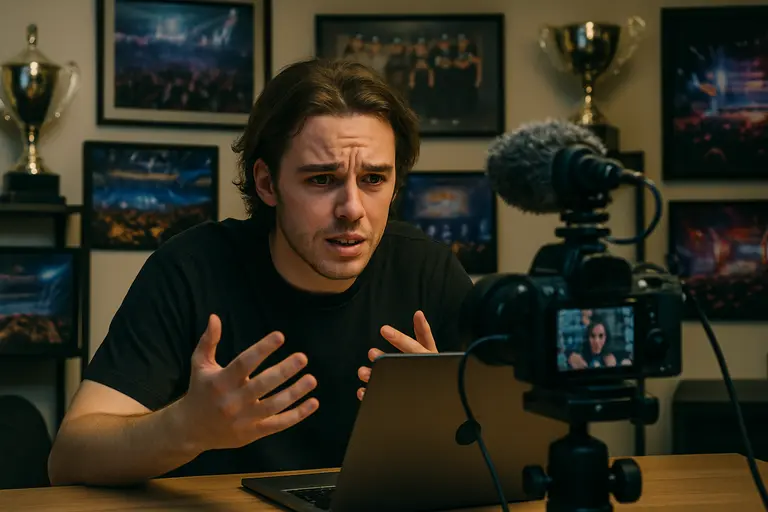
The creator-side signal from Q2 2026 was tense. The research showed unique gaming and streaming channels declined across several platforms quarter-over-quarter, including Twitch, YouTube Gaming, and YouTube Live. At the same time, concentrated audiences per channel rose particularly on YouTube Live. That mix can help established creators but make the path tougher for new entrants. If fewer channels receive more attention, sponsorship teams may favor safer picks, while smaller creators face a longer climb to prove consistency.
Treating streaming metrics as career advice requires caution. A platform’s total hours watched cannot tell a new creator whether their niche has healthy chat culture, repeat viewers, or sponsor-safe audience behavior. For esports-adjacent creators, the best signal may be repeat participation around a specific beat: VOD review, ranked education, local tournament coverage, women’s esports discussion, collegiate scenes, or bilingual costreaming. Those beats may not always deliver huge peaks, but they can create communities that know why they return.
What Organizers Should Measure
Organizers should stop treating every viewer as equal. A casual viewer who passes through during a finals map is valuable, but not the same as a viewer who watches group stages, follows a co-streamer, joins a team community, and buys into the storylines without being pushed toward risky spending. Better measurement would separate live reach, retained audience, chat participation, creator referral, and post-event content consumption. That approach helps avoid inflated confidence after one large broadcast and gives smaller community channels credit when they deepen fan interest.
For readers tracking gaming distribution and cloud-adjacent market shifts outside pure esports, GameCloud Network offers insights into how players move between platforms and services. The same audience habit matters: people do not organize their entertainment lives around one company’s preferred category label. They follow access, friends, creators, cost, and cultural fit.
Streaming Metrics And Esports Engagement
The better read on streaming metrics after Q2 2026 is that live viewing became larger and less tidy at the same time. Twitch’s decline eased, Kick grew quickly, YouTube Gaming fell, and YouTube Live rose. Esports still produced strong engagement around major League of Legends competition, but that strength did not erase the wider shift toward fragmented viewing and creator-mediated fandom.
For esports teams, the practical response is not panic or blind platform chasing. It is audience mapping. Where do fans first discover the match? Where do they stay? Which creators explain the story well enough to bring them back? Which community spaces hold attention after the broadcast ends? The organizations that answer those questions will read the next wave of data with more discipline than teams that only compare hours watched from one quarter to the next.
The audience has not abandoned live competitive gaming. It has become more selective, more mobile across platforms, and more likely to attach loyalty to people and communities rather than broadcast destinations alone. That shift makes the numbers harder to package, but more useful when read with care.