
The international Counter-Strike 2 calendar will have another major spotlight in Romania when PGL Bucharest 2026 arrives in Bucharest from April 3 to April 11, 2026. Tournament listings show a 16-team field, and both Liquipedia Counter-Strike and HLTV list the event as a top-tier CS2 competition in Bucharest. HLTV lists the total prize pool at $1,250,000, while Liquipedia lists $625,000 and identifies the event as a Valve Tier 1 tournament, which suggests there may be differences in how prize allocations or event data are being displayed across sources.
That alone makes PGL Bucharest 2026 worth watching. In a crowded CS2 ecosystem, not every event manages to stand out, but this one has the combination of PGL branding, a major city, a strong field size, and an early-April slot that could make it one of the more important checkpoints of the spring season. PGL’s official events page includes Bucharest on its 2026 calendar, reinforcing that this is part of the organizer’s broader top-level event slate.
| Event | Details |
|---|---|
| Tournament | PGL Bucharest 2026 |
| Game | Counter-Strike 2 |
| Dates | April 3–11, 2026 |
| Location | Bucharest, Romania |
| Teams | 16 |
| Organizer | PGL |
| Prize Pool | Reported as $625,000 on Liquipedia; $1,250,000 on HLTV |
Why PGL Bucharest 2026 Matters
PGL events matter because the company has become one of the most recognizable organizers in elite Counter-Strike and Dota 2. PGL’s official events listings show it continuing to run a substantial 2026 calendar, and its broader history as a Bucharest-based organizer gives this tournament more identity than a one-off neutral-site event would have. That consistency matters in esports because recurring destinations and reliable production help elevate a tournament from a simple stop on the calendar into something fans actively anticipate.
Timing also matters. An April event gives teams enough runway to establish form, but still leaves plenty of room for the rest of the year’s storylines to evolve. That makes PGL Bucharest 2026 a meaningful measuring stick. A strong run here would tell fans that a roster is not just producing isolated flashes, but is capable of navigating a deep international field under real pressure.

Bucharest Gives The Event A Clear Identity
Bucharest is more than a location marker on the schedule. It is part of PGL’s identity as an organizer. Public event listings and PGL’s own materials continue to tie major events to Bucharest, which helps this tournament feel grounded in a recognizable competitive setting rather than just another interchangeable arena week.
That familiarity can be valuable for both fans and teams. In modern esports, branded host cities help events feel bigger. Some tournaments become known for their arena atmosphere, others for their history, and others for their production standard. PGL Bucharest has a chance to sit in that conversation because the organizer and the city already carry weight together.
The 16-Team Field Should Create A Brutal Bracket
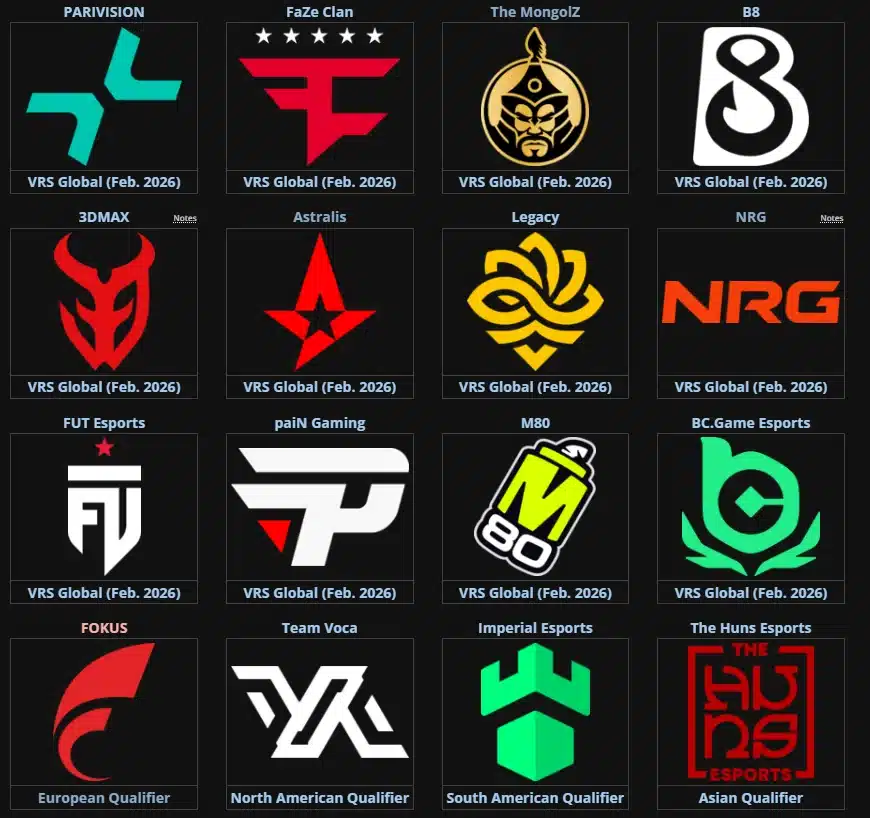
Both Liquipedia and HLTV list 16 teams for PGL Bucharest 2026, and that usually means there is very little room for weak form or sloppy preparation. In elite CS2, a 16-team event does not just test raw firepower. It tests veto discipline, adaptation between series, and the ability to maintain composure when one bad map can change the entire direction of a tournament run.
That is part of what makes this type of event compelling. The best teams rarely separate themselves only through aim. They do it through structure, pace control, mid-round decision-making, and the ability to survive uncomfortable matches. If the field performs to expectation, Bucharest should offer exactly that kind of pressure.
Prize Pool Questions Add Extra Interest
One of the more notable details around PGL Bucharest 2026 is the difference in reported prize pool figures. Liquipedia Counter-Strike lists the event at $625,000, while HLTV lists it at $1,250,000. Because both are major competitive databases, it is worth treating the total with some caution until PGL provides a more detailed official breakdown tied directly to this event.
Even with that discrepancy, the broader signal is still clear: this is not a minor tournament. Whether the total sits at Liquipedia’s figure or HLTV’s, the event is being tracked as a top-level CS2 competition with a high-value field and major relevance on the 2026 calendar. For teams, that means meaningful money, prestige, and ranking implications. For viewers, it means another event where every late-round decision should feel heavy.
What Fans Should Watch Closely
The biggest storyline will be whether one of the established contenders can use Bucharest to confirm its place near the top of the global hierarchy. HLTV’s event page frames the tournament as a significant stop in April, and that makes it the kind of event where elite teams can either strengthen their case or expose cracks before the next phase of the season.
Fans should also pay close attention to the tactical side of the event. On paper, a tournament like this is about names and rankings, but in practice it often comes down to map pool confidence, CT-side stability, and which teams can keep control when momentum starts swinging. Those are the details that separate title runs from quarterfinal exits in modern Counter-Strike. This is also the kind of spring event that can elevate a dark horse if the bracket opens up at the right time. That possibility is a big reason these mid-season international stops remain so valuable. This last point is an inference based on the structure and scale of the 16-team event.
Readers following the broader PGL calendar can also check our Wallachia preview to see how PGL continues to anchor major esports events across different titles.
How PGL Bucharest 2026 Fits Into The Bigger CS2 Picture
Counter-Strike’s calendar is stacked, which means tournaments need a strong identity to avoid blending together. PGL Bucharest 2026 has that chance because it brings together a known organizer, a recognized esports city, and a 16-team format in a competitive part of the year. That combination gives it more significance than a routine invitational.
It also fits a larger trend in esports: the events that matter most are the ones that feel like real checkpoints. Bucharest has the profile to serve as one of those checkpoints in the 2026 CS2 season. A deep run here would be a serious statement, and a disappointing finish would raise immediate questions, especially for teams expected to compete for trophies all year.
Final Thoughts
PGL Bucharest 2026 looks like one of the more interesting spring tournaments on the CS2 schedule. It is set for April 3–11 in Bucharest, features 16 teams, and is already being tracked by major esports databases as a top-level event. The only significant uncertainty right now is the exact total prize pool, with Liquipedia listing $625,000 and HLTV listing $1,250,000.
Still, the bigger takeaway is straightforward. This is a serious Counter-Strike tournament with the kind of structure and timing that can shape the narrative of the season. For fans, it should be a valuable look at who is ready to win under pressure. For teams, it is another opportunity to prove that early momentum can hold up when the bracket gets difficult.
For official organizer updates and event listings, the best external reference is the PGL events page