
BLAST Premier 2027 is set to change how Counter-Strike 2 teams make attendance decisions, not just how events are staged. As of October 8, 2026, the circuit is still ahead, with the first event scheduled for January 11-24, 2027. The shift is not a single rule tweak. BLAST has tied more of the circuit to LAN play, Valve Regional Standings access, per-event acceptance fees, and travel support. For organizations, that turns participation into a more direct competitive and financial calculation.
The headline number is the raised US$10 million investment for the 2027 circuit, up from US$8.5 million across 2025-2026. That figure covers prize money, team payments, acceptance fees, and team experience improvements such as travel and accommodation, according to Esports Insider’s report. The more meaningful change for teams is where that money sits inside the calendar. It rewards showing up, while the all-LAN model makes each appearance more visible and harder to treat as a low-priority online stop.
Why BLAST Premier 2027 Changes Participation
BLAST Premier 2027 And The LAN Commitment
The biggest participation change is BLAST moving all six 2027 events fully onto LAN. The circuit is scheduled to include two Bounty events, three Open events, and one Rivals event, with no online matches in the main bracket, as reported by Dot Esports on the 2027 revamp. That matters because LAN attendance changes the cost and benefit of entering. Teams must account for travel time, practice disruption, player fatigue, visa processes, and staff logistics. In return, they get a stronger event presence and matches that feed into a system with more ranking weight and direct payments attached.
For top organizations, the prior question around some events was whether the reward justified the strain. The research notes point to a specific issue: teams outside the top five in the Valve Regional Standings had been less motivated to attend online stages because those matches carried less weight. A full LAN structure narrows that gap. If the event has ranking value, acceptance payments, and stronger on-site conditions, skipping becomes harder to justify unless the team has a direct scheduling conflict or player health concern.
From Year-Long Incentives To Event Decisions
BLAST also removed its Frequent Flyer Programme, the previous year-long participation incentive, and replaced it with acceptance fees paid per event when teams accept invitations. Those acceptance fees scale with the team’s VRS ranking at the time of the invite. That is a cleaner message to organizations: maintain ranking position, receive better invite conditions, and make each event a separate decision with clearer financial terms.
The change may reduce one of the stranger tensions in CS2 scheduling. A team could previously weigh a long-term relationship with a circuit against the short-term burden of another event. Under the new model, BLAST Premier 2027 appears more transaction-specific. If a team is high enough in VRS, the invite has immediate value. If a team is lower in VRS, regional qualification offers a route in, but the cost of missing out may be steeper because each event can affect future ranking and visibility.
How The 2027 Event Mix Alters Access
Bounty Shrinks While Stakes Rise
The Bounty format has been reduced from 32 teams to 16 teams and moved fully onto LAN. The announced structure gives 12 places through VRS invitations and four through regional qualifiers covering Europe, North America, South America, and Asia. That is a major compression. Fewer teams get into the main event, but the slots become cleaner and more valuable. For invited teams, participation is less likely to feel optional. For teams outside the invite range, regional qualifiers carry more pressure because only a small number of openings remain.
This also changes the competitive identity of the Bounty events. A 32-team version with early online play could absorb more variance and provide a wider field. A 16-team LAN event is more selective. That should raise the average level of the field, but it also creates tougher questions for developing teams that need exposure against top opposition. The regional qualifier path keeps a door open, yet it is a narrow door. Community reaction will likely depend on whether those qualifier slots produce meaningful regional representation or mostly reinforce the same ranked hierarchy.
Open Events Keep A Broader Route
The Open events retain two access routes: a majority of teams through VRS invites and the rest through regional closed qualifiers. The research notes give BLAST Open Ulaanbaatar, scheduled for May 10-23, 2027, as an example with 11 VRS invited teams and five regional qualifier slots. That split is important because Open events can support both elite consistency and regional churn. A team performing well domestically or regionally still has a path toward the international LAN stage, even if it is not sitting high enough in VRS for a direct invite.
For fans, this is the part of BLAST Premier 2027 that may matter most week to week. Regional qualifier teams often bring different map tendencies, less familiar pacing, and more volatility. If the VRS invite share grows too dominant, the circuit risks becoming predictable. If qualifier teams keep earning real matches against top sides, the Opens can act as pressure tests for the ranking system itself. That balance is especially relevant for regions that need more repeated LAN reps rather than one-off international appearances.
Calendar Pressure And Team Planning
Six Events, One Long Competitive Thread
The 2027 calendar begins with a Bounty event in the Schengen region from January 11-24. Open Singapore is scheduled for March 15-28, Open Ulaanbaatar for May 10-23, the second Bounty event for August 30-September 12, Open Rio de Janeiro for October 4-17, and Rivals for November 8-14. Those dates stretch across almost the full year, with significant travel demands built in.
That spacing gives organizations time to reset between events, but it also forces long-term planning around other tournament operators, player breaks, and roster windows. A team that wants to stay strong in VRS cannot simply treat one BLAST stop as expendable without checking how that absence affects future invitations. Participation is no longer only about whether a team can win one trophy. It is about preserving access and avoiding ranking damage in a year where every LAN appearance can feed the next invitation cycle.
The Rio de Janeiro Open is also notable because it marks BLAST’s first return to South America since São Paulo in 2019 under the BLAST Pro Series. That gives South American teams and fans a more direct stake in the circuit. It does not guarantee local team success, and the format still runs through VRS and qualifiers, but it does put a major BLAST event back in a region with a serious Counter-Strike audience.
Travel Support Becomes A Competitive Factor
The new team experience investment is reported at approximately US$700,000, set aside for travel, lodging, and general conditions. That may sound secondary next to prize money, but in a LAN-heavy circuit it can affect performance. Long flights, poor rest, and uneven accommodation do not show up on a scoreboard, yet players and coaches talk about those strains constantly across the CS calendar.
Better support does not remove the pressure of travel, but it can reduce the gap between teams with large backroom operations and those operating with tighter resources. It also gives invited teams fewer reasons to decline if the event terms are manageable. For readers who follow esports hardware, peripherals, and the wider competitive setup culture, our network also includes Cooler Master Gaming, but the key participation point here is not gear. It is whether event conditions help teams compete without burning through the roster before the playoffs.
Community Impact Around The BLAST Circuit
Fans Get More LAN, But Fewer Early-Stage Wildcards
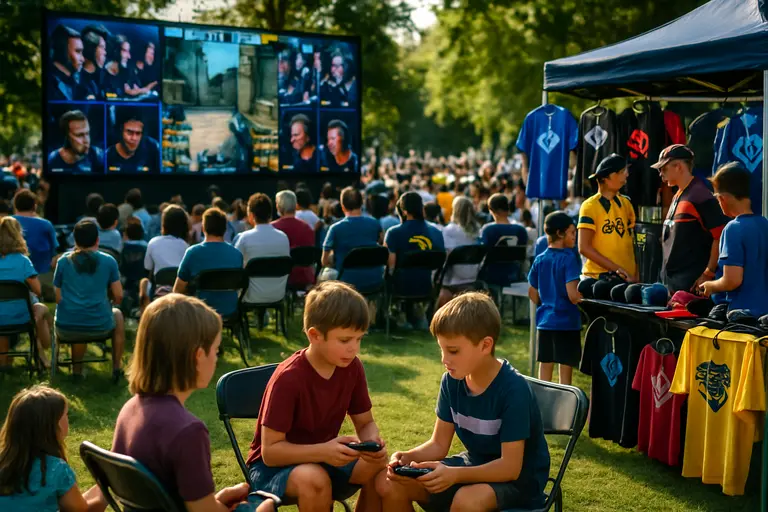
A full LAN circuit gives the community more stage matches, more reliable event atmosphere, and fewer online-only matchups that feel detached from the main broadcast product. That is a win for viewers who prefer seeing top teams tested under travel, crowd, and studio pressure. It also helps BLAST package each event as a full stop on the calendar rather than a hybrid format with an online lead-in.
The tradeoff is access. The smaller Bounty field means fewer total teams in that event type, and VRS will shape a large share of invitations. Some fans will read that as competitive discipline. Others will see it as another barrier for teams trying to break through. The fair assessment sits between those views. A ranking-based circuit can reward consistency, but it must keep regional qualifiers meaningful enough that the next tier is not locked out of high-value LAN experience.
There is a useful comparison point in the 2026 calendar. BLAST’s Bounty structure already raised questions around how online stages and LAN finals split attention, including in our earlier coverage of BLAST Bounty Summer 2026. The 2027 version answers part of that concern by removing online main-bracket play, but it creates a different debate around field size and qualification pressure.
What BLAST Premier 2027 Means For Team Participation
BLAST Premier 2027 points toward a more demanding version of elite CS2 attendance. The circuit is smaller in total event count than some fans may expect from a year-long brand, but each stop carries more direct weight. With six fully LAN-based events, scaled acceptance fees, VRS-driven invites, and regional qualifier slots, BLAST is pushing teams to treat every appearance as part of a connected competitive plan.
The likely impact is higher participation motivation from top teams, especially those trying to protect or improve VRS position. It may also reduce selective skipping of earlier events, since every missed LAN can affect ranking rhythm, event income, and future access. The concern is whether the system leaves enough room for teams outside the established top group. That question will not be answered by the announcement alone. It will be answered by which teams qualify through the regional routes once the January 2027 circuit begins.
For now, the format reads as a clear statement: BLAST wants its 2027 Counter-Strike circuit to be LAN-first, ranking-relevant, and financially clearer for participating teams. That should sharpen attendance decisions across the year. It should also make the community watch not only who wins each event, but who gets invited, who accepts, and which qualifier teams turn limited access into lasting VRS progress.