The Overwatch World Cup ended on September 13, 2026, in Anaheim, California, with South Korea defeating Saudi Arabia 4-1 in the Grand Final. That result gave the event a clear competitive ending, but the bigger story for Overwatch esports was the audience size attached to it. The 2026 tournament did not simply outperform recent editions; it reset the series high point for peak viewership and gave Blizzard’s national-team format its strongest public signal in years.
Overwatch World Cup Viewership Set A New Bar
Esports viewership records need context because one large final can hide a weak event around it. That was not the read from the 2026 edition. Esports Charts reported that the Grand Final peaked at more than 401,000 concurrent viewers, the highest peak recorded in series history, while total Hours Watched exceeded 10.1 million across the event according to Esports Charts. The same report placed average concurrent viewership at around 173,100, up 34.2% compared with the 2023 edition.
Overwatch World Cup Numbers That Mattered
The record peak mattered because it came with supporting metrics. Hours Watched rose 83.7% compared with 2023, while the event used more than 600 unique broadcast channels. That was about eight times the channel count from the previous edition. Those numbers suggest the tournament benefited from both top-end demand and broader distribution rather than a single isolated spike.
| Metric | 2026 Figure | Why It Mattered |
|---|---|---|
| Peak Viewership | Over 401,000 concurrent viewers | New series record during the Grand Final |
| Hours Watched | Over 10.1 million | 83.7% higher than the 2023 edition |
| Average Viewership | About 173,100 | 34.2% higher than 2023 |
| Unique Channels | More than 600 | About eight times the 2023 total |
| Twitch Share | 77.5% of watch time | Confirmed Twitch as the main viewing hub |
The Previous Record Finally Fell
The previous series peak had stood since 2017, when a South Korea versus United States opening-round playoff match reached 321,900 concurrent viewers. Passing that number in 2026 matters because the Overwatch esports audience has been through multiple competitive structures since then. A national-team event reaching a new high almost nine years later points to a format that still carries identity value, especially when the final pairs recognizable country brands with a straightforward title match.
Why The Audience Scaled Across Channels
The biggest shift was not only that more people watched. It was that the event appeared in many more places. With more than 600 unique channels carrying broadcasts, the tournament had far more audience entry points than it did in 2023. That spread likely helped local communities watch through familiar voices, languages, and creators, though the available data does not prove which individual creator or region produced the biggest lift.
Co-Streams Made The Event Feel Local
Co-streaming has become one of the clearest changes in esports distribution because it lets viewers stay inside communities they already trust. The Overwatch World Cup benefited from that pattern by giving viewers a way to follow a national-team event without relying only on the central broadcast. That does not reduce the value of the official show; it extends the reach of the event into smaller audience pockets. The same pressure has shown up across other titles, as discussed in our look at how community co-streams reshape esports viewing.
For those interested in consumer tech and media behavior as it relates to streaming, the site Rave Tech offers insights into how these platforms interact within the network. Understanding these dynamics is crucial, as tournament reach now involves not just the location of the official feed, but how viewers distribute their attention across different channels, influencers, and types of content.
Twitch Still Carried The Center
Twitch remained the main viewing platform, accounting for 77.5% of watch time. The rest was distributed across YouTube, CHZZK, and SOOP. That balance is useful for organizers because it shows two things at once: Twitch still gave the event its main audience base, while other platforms added important distribution rather than replacing it. English-language broadcasts accounted for more than 67% of total Hours Watched, another sign that the largest share of consumption came through the most globally accessible feed.
The official Overwatch Esports Twitch channel also posted a peak of about 140,500 viewers during its biggest broadcast. That was described as the channel’s most popular Overwatch event in seven years, dating back to September 2019. For the Overwatch World Cup, that official-channel strength gave the event a central anchor while the expanded channel network handled the outer reach.
Competitive Stakes Helped The Final Land
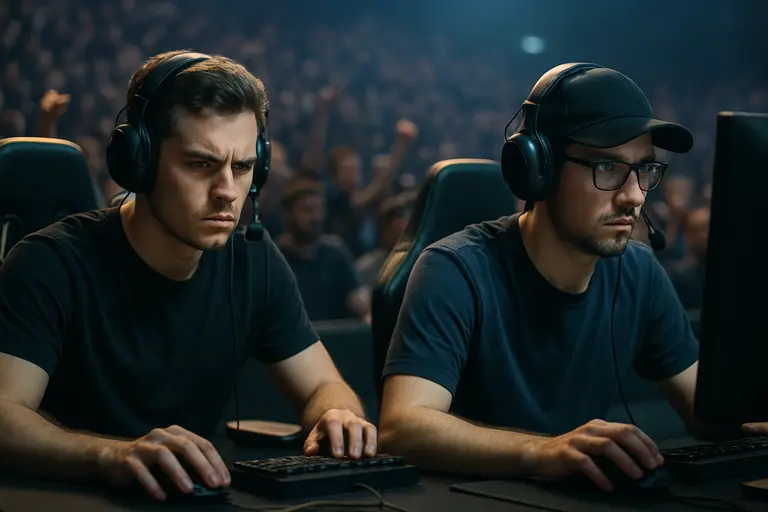
The Grand Final had a clean sports hook: South Korea versus Saudi Arabia for the title. South Korea won 4-1, but the matchup itself gave viewers a direct national-team storyline without needing heavy explanation. In esports, especially for a game with a long competitive past, that clarity matters. Casual viewers may not know every player or tactical shift, but they can understand a country-versus-country final with a title on the line.
A Clear Rivalry Hook Without Forced Drama
National-team events work differently from club leagues. They ask audiences to connect through country identity first, then through players and playstyles. That framing can widen the viewing base because it gives returning viewers a simple reason to check back in. The 2026 final also had regional contrast: South Korea, long associated with elite Overwatch play, met Saudi Arabia in the gold medal match. The result was decisive, but the pairing itself gave the broadcast a match viewers could identify quickly.
Anaheim And Busan Split The Story
The event structure also created two clear stages. The group stage took place from August 20-23, 2026, in Busan, South Korea, while the finals were held September 12-13, 2026, in Anaheim, United States, with the schedule and results tracked by Dot Esports. That split gave the tournament an international shape before the final weekend. It also helped separate the early qualification story from the playoff payoff, which is useful for audiences who enter late and only want the clean bracket stakes.
What Overwatch World Cup 2026 Means For The Series
The 2026 viewership record does not solve every question around Overwatch esports. A strong tournament peak is not the same thing as a stable year-round audience, and Hours Watched can rise for reasons that are difficult to isolate from the outside. Broadcast count, national representation, platform mix, match quality, timing, and community coverage all likely contributed. The public data supports the outcome, but it does not fully explain the weight of each factor.
Still, the Overwatch World Cup gave the scene a rare, clean win: a concluded event, a decisive champion, and the strongest peak in the competition’s history. For publishers and tournament operators, the lesson is not that every event should copy this exact model. The sharper read is that Overwatch still has dormant international demand when the format is easy to follow, the distribution is wide, and the final carries stakes that communities can explain in one sentence.