By Taryn Caldwell | May 7, 2026
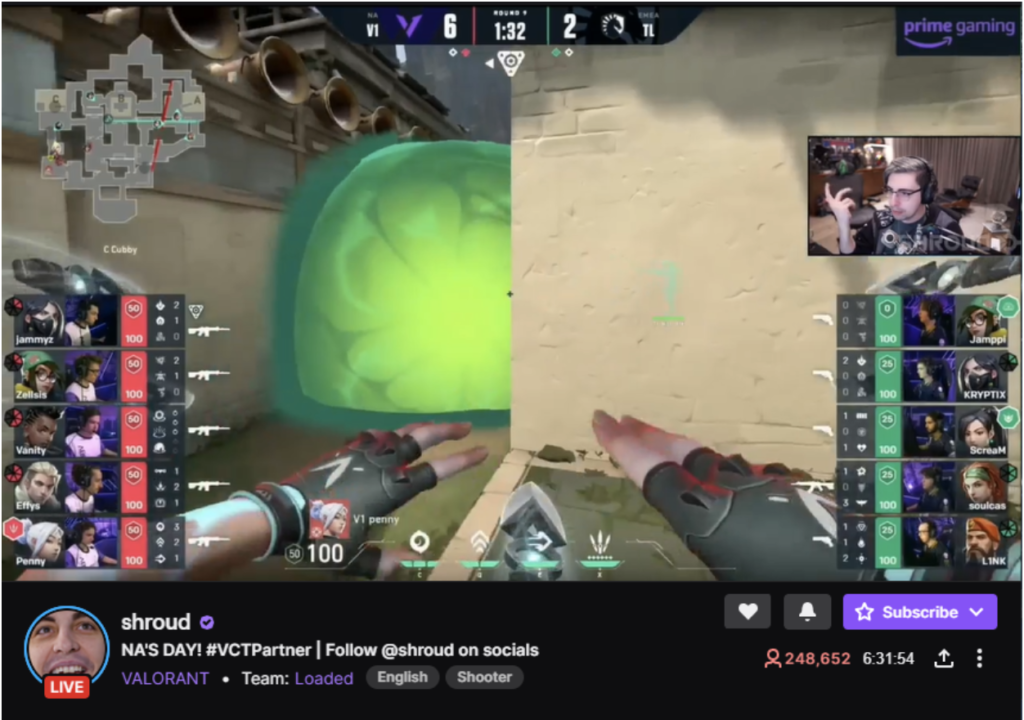
Esports viewership completely transformed over the last few years. Fans no longer feel restricted to the primary tournament broadcast. Today, millions of viewers prefer watching massive stadium events through the lens of their favorite content creators. Co-streaming allows independent streamers to broadcast live tournament feeds directly to their own channels. These creators add real-time commentary, jokes, and community interaction. This shift forces publishers and tournament organizers to rethink their entire media distribution strategies. Learning the mechanics behind this process helps aspiring creators figure out getting started with streaming video games.
The Mechanics Behind Broadcast Rights
Gaining permission to broadcast a million-dollar tournament requires strict adherence to corporate guidelines. You cannot just open Open Broadcaster Software (OBS), capture a live YouTube video, and start talking over it. Publishers vigorously protect their intellectual property. Organizers usually release an application form weeks before an event begins. They review a creator’s average concurrent viewership, past behavior, and brand safety profile.
Once approved, the creator receives specific instructions. The publisher frequently provides a clean feed. A clean feed delivers a raw video signal without the official casters’ audio or the primary sponsor graphics. This allows the creator to act as the sole voice of the broadcast. Many creators utilize Twitch broadcast tools to bring other personalities onto the stream and host live roundtables. You can review exact technical requirements by reading Riot Games co-streaming guidelines to see the rigid controls over visual output.
Monetization And Sponsor Conflicts
Money complicates the co-streaming process heavily. Tournament organizers sell massive advertising packages to global brands based on projected viewership numbers. Viewers leaving the main channel threaten those valuable impressions.
Publishers solve this problem by dictating exact advertisement protocols. Some agreements force co-streamers to run the official tournament ads simultaneously. Other contracts require the creator to overlay specific sponsor logos on their stream directly. Recognizing how brands work with esports teams makes it obvious why sponsor conflicts cause huge legal headaches. A creator sponsored by one energy drink cannot legally broadcast a tournament sponsored by a rival energy drink without careful graphic overlays masking the conflicting logos. Organizations monitor live viewership statistics to guarantee sponsors get their promised screen time across all participating channels.
Why Publishers Push For Creator Coverage
Letting independent creators broadcast premium content sounds risky. Publishers see massive returns on the investment. Co-streaming fractures the audience. It drastically increases the total number of unique viewers. A popular variety streamer might bring 50,000 viewers who never normally watch competitive tactical shooters.
These creators provide a relaxed, highly interactive atmosphere that official broadcasts simply cannot replicate. Official casters maintain professionalism and stick to analyzing what it takes to go pro. Co-streamers yell, eat pizza, and react alongside their chat. This casual environment lowers the barrier to entry for new fans.
| Broadcasting Method | Vibe & Tone | Primary Audience | Monetization Strategy |
| Main Broadcast | Professional, analytical, structured | Hardcore competitive fans | Direct sponsor integrations, media rights |
| Co-Stream (Clean Feed) | Casual, community-driven, biased | Creator’s loyal fanbase | Subscriptions, creator’s personal sponsors |
| Watch Party (Overlay) | Reactionary, conversational | Casual gamers | Mixed tournament and creator ads |