By Lila Montgomery
If you are reading this while sitting in a ranked matchmaking queue, let me hit you with a harsh reality check: being the best player in your friend group means absolutely nothing in the modern competitive ecosystem. In 2026, the gap between a highly skilled ranked warrior and a salaried Tier 1 professional is wider than it has ever been. Hitting the highest competitive rank in your game is no longer the finish line; it is barely the entrance exam.
Transitioning from your bedroom setup to a massive arena stage requires a grueling combination of mechanical obsession, emotional intelligence, and relentless networking. Whether you are holding angles in Counter-Strike 2, executing site takes in VALORANT, or building towering fortresses in Fortnite, the path to the top is unforgiving. Here is an analytical breakdown of exactly what it takes to survive the Tier 2 gauntlet and secure a professional contract this year.
The Illusion of Ranked Play Versus Organized Scrims
The biggest trap aspiring pros fall into is believing that ranked matchmaking translates to professional play. In titles like CS2 and VALORANT, reaching FACEIT Level 10 or Radiant is a basic prerequisite, but it does not teach you how to play fundamental, team-based esports. Ranked play rewards selfish, hyper-aggressive playstyles because communication is often chaotic and disorganized.
Professional play, however, is a game of microscopic margins and heavily structured protocols. To make the leap, you have to unlearn the bad habits that got you to the top of the ranked ladder. You must transition into organized scrimmages where you learn how to default properly, execute layered utility setups, and play off your teammates’ contact. If an organization’s scout sees you baiting your teammates for a better K/D ratio, your name will be permanently blacklisted from their trials.
Understanding Your Specific Path to Pro
Every game handles its amateur-to-pro pipeline differently, and understanding your specific ecosystem is mandatory if you want to climb the ladder without wasting years of your life.
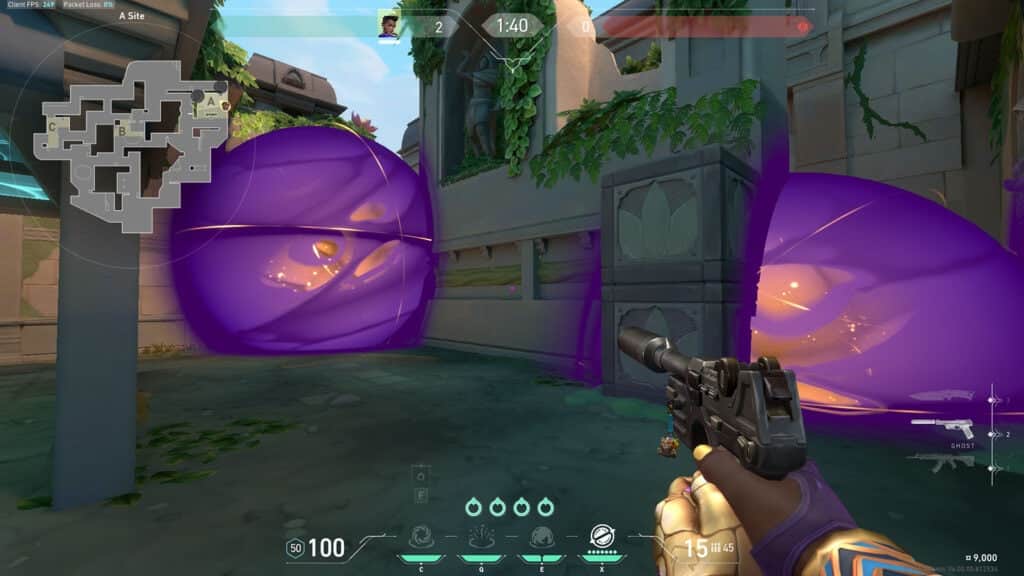
In VALORANT, Riot Games has directly integrated the path to pro into the game client via the Premier system. By assembling a five-man roster and dominating the highest division of Premier, your team can directly qualify for the regional Challengers leagues. Conversely, Counter-Strike 2 relies heavily on the legacy third-party ecosystem. Aspiring CS2 pros must grind through the grueling divisions of the ESEA League, climbing from Open to Advanced, and eventually fighting for a spot in the ESL Challenger League.
Fortnite operates in a completely different stratosphere. Epic Games utilizes a chaotic, massive open-circuit model. While this means any mechanically gifted teenager can theoretically qualify for the FNCS Global Championship, it also means maintaining consistent placements across multiple seasons is terrifyingly difficult due to the sheer variance of battle royale mechanics.
| Esports Title | Primary Path to Pro | Key Amateur Proving Ground | Focus Skillset |
| VALORANT | Premier System -> Challengers | VCT Regional Qualifiers | Utility synergy and tactical pacing |
| Counter-Strike 2 | FACEIT -> ESEA League Divisions | ESL Challenger League | Raw mechanics and map control |
| Fortnite | Open In-Game Cash Cups -> FNCS | FNCS Major Qualifiers | Mechanical ceiling and reaction time |
Networking and the Importance of Reputation
You can have the crispest aim on the server, but if nobody wants to sit in a Discord call with you for eight hours a day, you will never go pro. The Tier 2 scene in any game is a surprisingly small, tightly-knit community. Word travels incredibly fast. If you rage-quit scrims, scream at your teammates, or refuse to take constructive criticism from a coach, you will be branded as a toxic asset.
Building a bulletproof reputation is just as important as building your mechanical skillset. Top players actively use platforms like X (formerly Twitter) to post “Looking For Team” (LFT) updates, share their VODs, and interact respectfully with established players. For a deeper understanding of how the industry operates behind closed doors, checking out a comprehensive esports career in 2026 guide will show you exactly how networking dictates roster changes.
The Mandatory Shift Toward Personal Branding
Finally, if you want an organization to offer you a salaried contract, you need to bring more to the table than just in-game impact. Esports organizations are businesses, and they rely on sponsorships and viewership to survive. An amateur player who brings an established audience with them is infinitely more valuable than a slightly better player with zero social media presence.
You must treat content creation as a secondary job. Live streaming your high-ELO matches, posting your best clips to TikTok, and analyzing your own gameplay on YouTube builds a personal brand that organizations covet. If you look at the top players across Counter-Strike 2 competitive statistics, you will notice that the most financially secure players are the ones who have monetized their personalities outside of the server. Going pro in 2026 is entirely possible, but you have to treat the grind like a full-time business before anyone ever pays you your first dollar.