By DeShawn Carter | May 12, 2026
Every young player hits a nasty flick shot and immediately dreams of stadium lights. They see the massive prize pools and think a single viral clip guarantees a franchise contract. Reality tells a completely different story. The modern competitive ecosystem demands far more than raw mechanical aim. Professional scouts sift through thousands of amateur players daily. Standing out requires a calculated, aggressive strategy. You must force the right people to watch your gameplay. Knowing what it takes to go pro in titles like CS2, VALORANT, and Fortnite means recognizing the strict business logic behind the recruitment process. Amateurs must build an undeniable resume before sending out desperate direct messages to general managers. A great starting point involves tracking your own official stats on platforms like the Tracker Network, giving scouts verifiable numbers rather than empty promises.
Dominating the Third-Party Ladders
Matchmaking ranks mean nothing to a tier-one scout. Hitting Global Elite or Radiant just proves you know the basic controls. Scouts look for players surviving the absolute highest levels of third-party platforms. In Counter-Strike 2, this means grinding your way into the FACEIT Pro League (FPL). In VALORANT, players must dominate the Premier system and push into the Challenger leagues.
These closed ecosystems strip away the casual player base. You end up playing against active professionals and hungry amateurs. When you consistently out-frag signed players in these hubs, the community talks. Word of mouth travels fast across professional Discord servers. A Tier 2 organization will gladly offer a trial if their current star player recommends you after a late-night FPL match. This level of networking directly impacts how much pro gamers earn as you move up the tier list. You build trust by showing up every single day, communicating clearly on the microphone, and never tilting under pressure.
Building a Public Portfolio
Scouts lack the time to spectate random matches. You must hand them the evidence. Every amateur player needs a highly organized public portfolio. This involves recording your own point-of-view (POV) gameplay and uploading unedited VODs to a dedicated channel.
Highlight montages filled with loud music and heavy editing hide your mistakes. A coach wants to see your crosshair placement, your raw communication, and your reaction to losing a round. Create a clean, professional profile on X (formerly Twitter). Post short, impressive clips daily. Link a Google document containing your availability, your role preferences, and links to your full VODs. Treat your social media like a digital resume. Teams love signing players who already know how to entertain an audience. Creating content closely mirrors how co-streaming major tournaments works, forcing you to interact with fans and build a reliable community. Professional teams view a strong follower count as a massive financial asset. Find the top regional events on Liquipedia and engage in conversations about the current meta with established analysts online to boost your visibility.
Excelling in Open Qualifiers and Combines
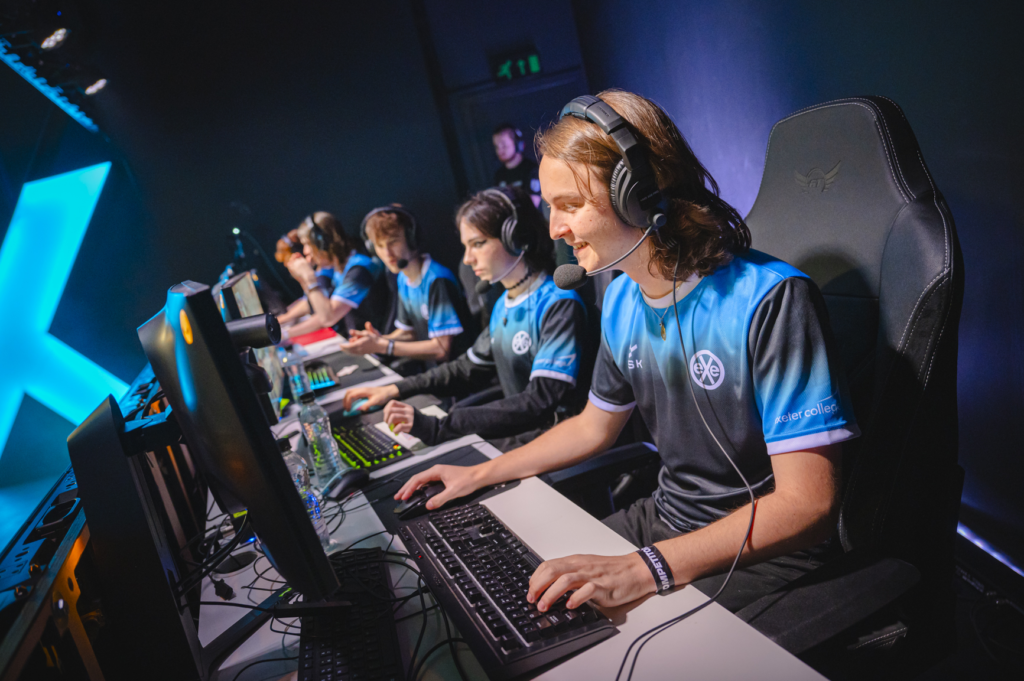
You cannot hide behind online leaderboards forever. True talent shines in the terrifying environment of an open qualifier. Grab four other dedicated amateurs and register for every single tournament available. Getting completely destroyed by a professional academy team teaches you more in thirty minutes than a month of ranked matchmaking.
Tournaments require extreme stamina. Playing six consecutive matches tests your mental fortitude. Scouts heavily monitor the later rounds of these open qualifiers. They look for the hidden gems carrying amateur rosters against established veterans. Many organizations now host combine events, inviting the top un-signed talent to play directly in front of the coaching staff.
| Scouting Metric | Amateur Mistake | Professional Approach |
| In-Game Stats | Flexing high K/D ratios in casual ranked modes. | Maintaining high impact ratings in verified FPL/Challenger hubs. |
| Communication | Yelling, toxic behavior, silence during clutches. | Clear callouts, emotional reset after losses, hyping teammates. |
| Public Profile | Private accounts, heavily edited trickshot montages. | Public contact info, full unedited VODs showcasing raw mechanics. |
Performing well here leads directly to the negotiating table. Before signing anything, review how esports contracts work for players to protect your newfound career. Getting noticed requires treating your gaming like a full-time job long before the first paycheck arrives. The daily grind tests your patience. Keep building your brand, stay active in the premium ladders, and let your raw statistics do the heavy lifting.