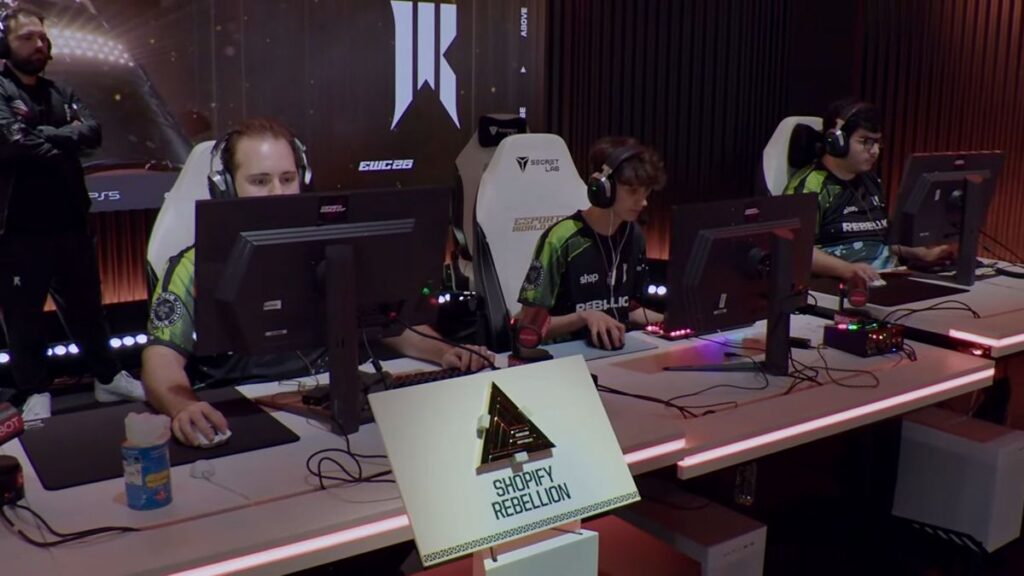
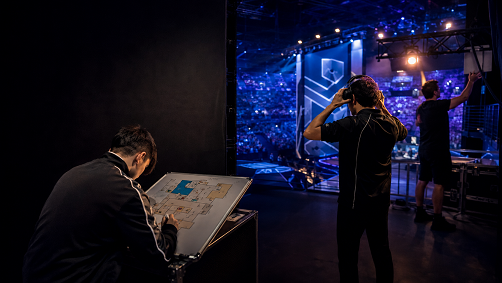
FaZe Clan’s victory in the Rainbow Six Siege tournament at the Esports World Cup 2026 became one of the most significant esports moments of August, highlighting how competitive gaming continues to combine elite performance, international audiences, and long-term team identity. The Paris event brought together top organizations from around the world, with FaZe Clan defeating FURIA 3-1 in the grand final on August 15, 2026.
The result mattered beyond a single trophy. Rainbow Six Siege has built a competitive community around strategy, communication, and tactical decision-making, and the Esports World Cup gave teams another global stage to demonstrate how esports titles can maintain dedicated audiences years after launch.
For mostplays.com readers, the tournament represents a broader esports trend: major competitions are becoming cultural events where player skill, team branding, community loyalty, and international competition intersect.
Why FaZe Clan’s Rainbow Six Siege Win Became A Major Esports Story
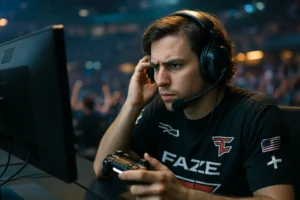
FaZe Clan entered the Rainbow Six Siege competition at the Esports World Cup 2026 with a clear objective: recover from previous disappointments and compete for one of the biggest trophies available in the current esports calendar. The team completed the tournament without a loss and secured the championship after defeating Brazilian organization FURIA in the final series.
The victory carried additional historical importance for three FaZe Clan players: Jaime “Cyber” Ramos, Eduardo “KDS” Chiste Fontes, and Lucas “soulz1” Schinke. According to the Esports World Cup announcement, the trio became the first Rainbow Six Siege players to achieve the Triple Crown milestone, which recognizes victories across the Six Invitational, a Major, and the Esports World Cup.
That achievement reflects the way esports careers are measured differently from traditional sports. Players are often evaluated through tournament history, team contributions, mechanical ability, leadership, and adaptation across different competitive eras. A single championship can become part of a much larger professional legacy.
The tournament also showed the importance of international representation. Rainbow Six Siege has maintained strong competitive scenes across regions, including Brazil, Europe, North America, and other markets. The final between FaZe Clan and FURIA placed two organizations with strong regional identities against each other, creating a matchup that connected different fan communities.
How The Esports World Cup Continues To Shape Competitive Gaming Culture
The Esports World Cup 2026 has become a major gathering point for multiple gaming communities, featuring competitions across titles including Rainbow Six Siege, Counter-Strike 2, PUBG Mobile, Tekken 8, Fortnite, Chess, and other games.
This multi-game structure changes how audiences experience esports. Instead of following one title exclusively, fans can discover different competitive communities through a shared event format. A Rainbow Six Siege viewer may become interested in another tournament after watching a different game’s championship story, team rivalry, or player personality.
The growth of multi-title events also changes how organizations approach esports. Teams such as FaZe Clan increasingly operate across multiple competitive scenes, building recognition that extends beyond a single game. This creates stronger connections between players, sponsors, content creators, and fans.
Competitive gaming has always depended on community engagement, but modern esports events place more attention on storytelling. Fans follow player careers, team changes, coaching decisions, and long-term rivalries. The match result remains important, but the journey toward the final often becomes part of the entertainment experience.
For readers interested in broader digital competition trends, coverage of esports audiences also connects with how online communities evaluate prediction content and entertainment markets. Publications covering different types of audience-driven analysis may discuss topics outside gaming, such as South Carolina election odds, but esports coverage requires a separate focus on player performance, competition structure, and community culture.
Why Team Identity Matters More Than A Single Championship
The FaZe Clan victory demonstrates how esports organizations build value through history and recognition. A championship creates a memorable moment, but the strongest teams develop identities that remain meaningful between tournaments.
Rainbow Six Siege provides a strong example because the game rewards coordination more than individual performance alone. Teams must develop communication systems, map strategies, role assignments, and responses to opponents. The preparation behind a championship run often receives less attention than the final match, yet it defines the competitive difference between elite teams and the rest of the field.
The same pattern appears throughout esports. In Counter-Strike 2, Valorant, League of Legends, and other major competitive games, successful organizations rely on coaching structures, player development, and consistent preparation. Recent tournament schedules show how active the professional ecosystem remains, with events continuing across different games and regions throughout August 2026.
This approach also affects younger fans discovering esports. A viewer may begin watching because of a highlight clip or a dramatic final round, but long-term interest often develops through understanding team stories, player personalities, and competitive traditions.
What The Tournament Means For The Future Of Rainbow Six Siege Esports
FaZe Clan’s championship provides another example of Rainbow Six Siege’s ability to remain relevant within the esports industry. Long-running competitive games must continue balancing veteran audiences with new viewers who discover the title through major events.
Tournament organizers face ongoing questions about accessibility, broadcast quality, competitive balance, and audience growth. A successful esports ecosystem requires more than professional matches. It needs recognizable teams, engaging broadcasts, community participation, and clear pathways for emerging players.
The Esports World Cup format gives established games another opportunity to reach viewers outside their usual communities. When a tactical game such as Rainbow Six Siege shares attention with fighting games, shooters, strategy games, and mobile esports, each community benefits from increased visibility.
The challenge for organizers and publishers is maintaining that attention after the event ends. A championship can create a major audience moment, but sustainable esports growth depends on continued competition, creator coverage, community discussion, and meaningful player narratives.
Why Community Stories Define The Next Era Of Esports
FaZe Clan’s Rainbow Six Siege triumph at the Esports World Cup 2026 shows why esports continues to develop as a form of competitive entertainment. The trophy represents individual skill and team preparation, but the larger story involves communities, international audiences, and the relationship between games and the people who build careers around them.
As esports events become larger cultural gatherings, the strongest stories will come from authentic competition rather than simple promotion. Players, teams, and fans create the history that gives tournaments lasting value. FaZe Clan’s achievement in Paris adds another chapter to Rainbow Six Siege’s competitive history while showing how esports continues to connect gaming communities across borders.