Creator sponsorships have moved from a side lane in streamer careers to the part of the business that can decide whether a creator treats content as a job, a company, or a risky hobby. The clearest 2026 case came from Ludwig Ahgren’s public June earnings breakdown: he grossed $1,135,400 for the month, with $800,000, or about 70%, coming from sponsors, while Twitch subscriptions accounted for about $57,600, near 5% of the total, according to Fanvault’s report on the breakdown. That ratio reframes the interview question for influential streamers. It is no longer only “how did you grow?” It is also “who pays for the audience relationship, and what does that do to the audience?”
The supplied research did not include private interview transcripts with streamers, so this piece does not invent direct quotes or behind-the-scenes claims. Instead, it reads public sponsorship data the way a career interview should: through income mix, bargaining power, brand fit, and community trust. That approach matters in esports because streamers often sit between official competition, co-stream culture, org media, and sponsor expectations. Their choices can shape how fans experience a game even when no roster move or match result is involved.
Why Creator Sponsorships Changed The Interview
Creator Sponsorships Put Revenue In Public View
The Ludwig example landed because the split was unusually concrete. A seven-figure gross month is not a normal baseline for creators, and it should not be treated as one. Still, the proportions tell a useful story. Platform-native income can be meaningful, but it may not be the dominant column for the creators with enough audience trust to sell sponsor attention directly. For creators below the top tier, that changes the career path they study. They are not only studying stream length, thumbnail style, or game choice. They are studying how a creator explains a paid segment without making regular viewers feel like inventory.
That is where creator sponsorships differ from older esports ad reads. A team jersey patch, tournament desk sponsor, or broadcast lower-third sits at a distance from the fan. A streamer reads chat, reacts to backlash, and lives with the brand choice after the segment ends. If a sponsor feels off-brand, too frequent, or poorly disclosed, the audience response lands immediately. The creator owns that moment in a way a league broadcast often does not.
Sponsors Now Buy Audience Behavior
SponsorRadar reported in January 2026 that YouTube sponsorship volume covered about 1.2 million tracked deals across 38,059 channels, with 74,739 distinct brands making placements; gaming accounted for about 22% of deal volume, according to SponsorRadar’s 2026 sponsorship report. Those figures show that gaming creators are not a small test category. They are part of a crowded market where brands can compare channels, formats, retention patterns, and audience response across thousands of campaigns.
For an interview with a major streamer, that means the sharper questions are less glamorous than “what was your biggest deal?” A useful interview asks how often they reject sponsors, whether they separate personal spending from business revenue, who checks contract terms, and how they measure audience fatigue. A creator who can answer those questions clearly has moved beyond being a personality with an inbox. They are operating a media business, even if the stream still looks casual from the viewer side.
What Streamers Now Need To Prove
Reliability Beats Follower Size
The old public scoreboard for creators favored big follower counts and viral peaks. Those still matter, but sponsorship work rewards repeatability. A streamer who holds a stable audience across months, keeps a predictable schedule, and can explain why viewers trust their recommendations has a different sales story than someone who spikes once and disappears. In esports, repeatability is tied to community routine: watch parties, scrims, ranked grinds, patch reactions, tournament co-streams, and post-match debate.
That routine gives sponsors a safer context, but it also raises the standard. If the creator has trained viewers to expect honest criticism of games, teams, and products, the paid message has to survive that same culture. A gaming mouse, drink brand, VPN, chair, fantasy product, or apparel sponsor cannot be treated as interchangeable if the streamer’s audience is used to calling out weak claims in chat. The strongest career move is not saying yes to every offer. It is knowing which offer will still make sense after the campaign ends.
The Community Cost Of A Bad Fit
Creator-led sponsorship can feel more personal because the audience relationship is personal. A poor fit does not just underperform for the brand. It can train viewers to doubt future recommendations. That is especially sensitive around younger esports audiences, where spending pressure, gambling-adjacent language, and aggressive limited-time messaging can cross lines quickly. Community-aware creators have to think about more than conversion. They need a clear sense of what they will not promote, how they disclose paid work, and whether the product fits the age and expectations of their audience.
This is also where esports orgs can learn from individual streamers. Teams often want creators because creators carry trust that the organization cannot manufacture through a press release. But if an org pushes a creator into awkward sponsor reads that clash with the creator’s tone, it risks weakening the very asset it wanted. We have seen similar pressure around esports creator budgets, where sponsor needs, content schedules, and audience habits now sit closer to core business planning.
Career Planning Beyond Creator Sponsorships
Owned Formats Create Negotiating Power
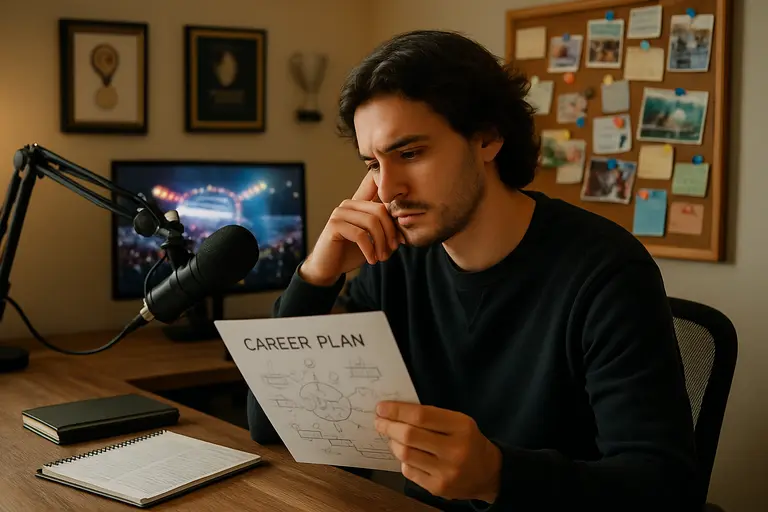
The streamers best positioned for paid partnerships tend to own formats, not just airtime. A recurring show, a tournament concept, a community challenge, or a co-stream routine gives a sponsor a place to fit without hijacking the content. That matters because creator sponsorships work best when the brand feels attached to an existing habit. Viewers are more likely to accept a sponsor inside a format they already value than a sudden hard sell that interrupts the reason they opened the stream.
Owned formats also protect the creator. If one platform changes payout terms, if a game loses momentum, or if a sponsor category cools off, the creator still has a recognizable product to pitch elsewhere. For esports personalities, this is one reason co-streaming, creator tournaments, and analysis shows have become career infrastructure rather than side projects. They let a host prove audience pull outside official broadcast assignments while still staying close to competitive gaming.
Teams Have To Share The Creator Room
Organizations that work with streamers need to accept that the creator is not just a distribution channel. The creator brings editorial instincts, community memory, and personal risk. A team can provide access, production support, and sponsor relationships, but the audience usually follows the person first. If a partnership ignores that balance, viewers notice. They may not know the contract details, but they can read the tone.
For smaller creators trying to build toward full-time work, the lesson is not to copy a top earner’s numbers. It is to copy the discipline behind the business: separate income streams, track campaign performance, protect community trust, and build repeatable programming. Readers following adjacent gaming and creator coverage across the same network can also find community-focused reporting at Hexiled Gaming, a related site offering insights into similar gaming topics.
Creator Sponsorships And Streamer Trust
The shift toward sponsor-led income has not made streaming less community-driven. It has made the community relationship more financially visible. That can be healthy when creators disclose deals, reject poor fits, and treat sponsors as guests inside a community rather than owners of it. It can be damaging when the audience feels sold without respect.
For esports careers, the strongest interview with an influential streamer in 2026 would not chase a motivational quote. It would ask how the creator decides which money to refuse. It would ask who reviews the deal, how the audience is protected, and what happens if a campaign performs well for the brand but badly for trust. Those answers say more about long-term career health than a single monthly revenue figure. Creator-led media now sits close to the center of esports business, but the creators with the longest runway will be the ones who remember why people watched them before a sponsor ever arrived.