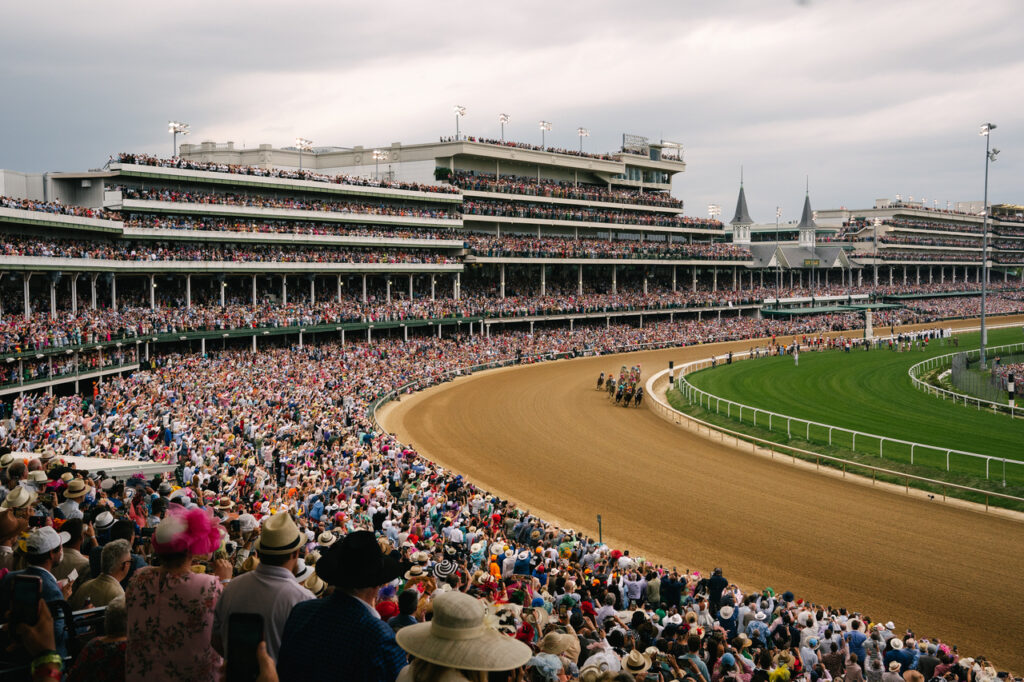
It is universally known as the most exhilarating two minutes in sports, a frantic, thunderous dash of three-year-old thoroughbreds navigating the legendary dirt of Churchill Downs beneath the Twin Spires. But let us be brutally honest for a moment. As much as we adore the blanket of roses, the ice-cold mint juleps, and the spectacular array of springtime hats, the true heartbeat of the Kentucky Derby is the betting window. Millions of dollars flood the betting pools in a matter of hours, creating a massive, chaotic puzzle for seasoned handicappers and casual fans alike. Figuring out how to untangle that puzzle and find the hidden value is where the real thrill of the sport begins.
Decoding the Pari-Mutuel Betting Market
To successfully bet the Derby, you must first fundamentally understand the arena you are stepping into. Unlike standard sports betting where you lock in a price against the house, horse racing utilizes a pari-mutuel wagering system. You are not trying to beat a bookmaker; you are playing directly against every other person holding a ticket. The morning line odds you see printed in the program are merely a seasoned oddsmaker’s educated guess at how the public will distribute their money, not a definitive probability of a horse’s chance to win.
As the betting windows open and the money pours in from around the globe, the odds shift dramatically in real-time. A heavily hyped horse can see its value plummet from 10-1 down to a dismal 3-1 in a matter of hours. Conversely, a quiet contender might drift up the board, offering a spectacular payout for those paying attention. This dynamic environment means that timing your wagers and closely monitoring the tote board in those final agonizing minutes before post time is a foundational piece of your race day strategy.
The Bread and Butter: Straight Wagers
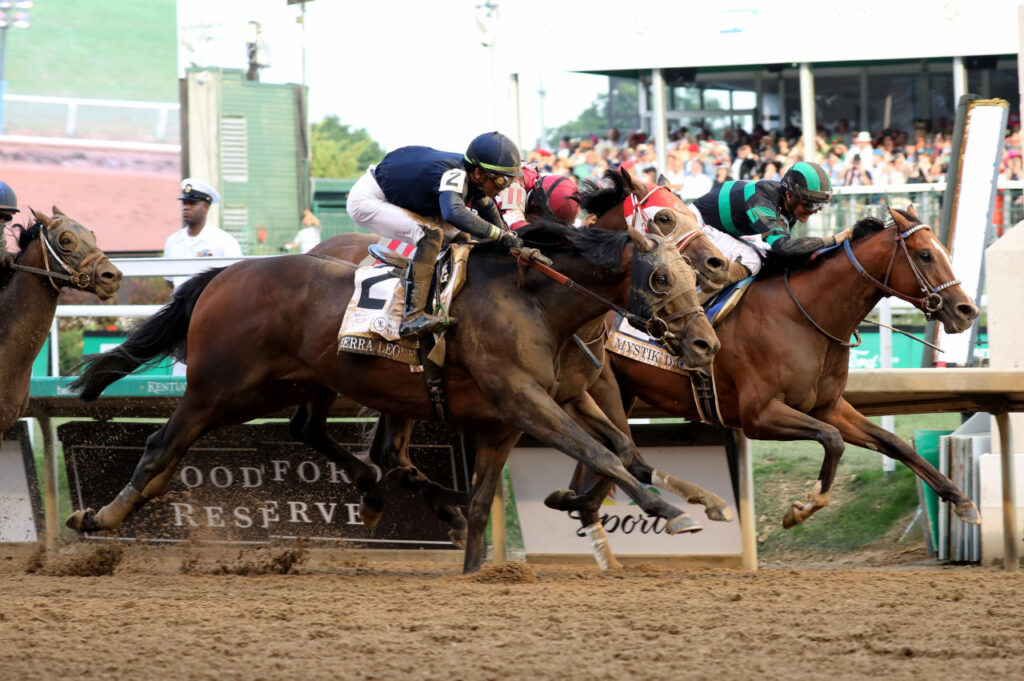
Before you start swinging for the fences, you have to understand the traditional straight wagers. These are the most straightforward bets you can make on the track, focusing entirely on a single horse’s performance rather than trying to predict a specific finishing order among multiple runners.
| Wager Type | What It Requires | Risk Level | Payout Potential |
|---|---|---|---|
| Win | Your horse must finish exactly first. | High | Highest among straight bets |
| Place | Your horse must finish first or second. | Medium | Moderate |
| Show | Your horse must finish first, second, or third. | Low | Smallest, but most reliable |
While the math seems simple, the application requires nuance. Betting an overwhelming favorite to “show” is generally a terrible mathematical proposition, tying up your capital for a return that might barely buy you a stale hotdog. However, if you have uncovered a lively longshot sitting at 30-1, backing that horse “across the board” (placing an equal amount on them to Win, Place, and Show) can yield excellent returns even if they just manage to scrape into the top three at the wire.
Chasing the Monster Payouts with Exotic Bets
The Kentucky Derby field is notoriously massive, usually maxing out at a chaotic twenty horses. This enormous field size creates mathematical turbulence, which is exactly what you want if you are trying to hit a life-changing score. This is where exotic bets—the exacta, trifecta, and superfecta—take center stage. Hitting a trifecta in a typical six-horse Tuesday claiming race might pay for your lunch; hitting it in the Kentucky Derby can pay off your mortgage.
However, formulating these tickets requires intense discipline. Instead of just throwing darts and hoping to magically select the top three or four finishers in exact order, sophisticated players structure their bets by “keying” a horse they strongly believe in on top of a carefully curated selection of logical contenders and wild longshots. By building intelligent permutations, you can cover a variety of race outcomes without inflating your ticket cost to an unmanageable level.
Handicapping the Field: Finding the True Value
Separating the contenders from the pretenders in the Derby requires looking far beyond a horse’s win-loss record. The Derby is uniquely grueling because it asks these young, developing horses to run a mile and a quarter, a taxing distance none of them have ever attempted before. You must examine a horse’s pedigree to see if their bloodlines suggest they possess the deep stamina required to survive the final furlong. A horse bred purely for sprinting will almost always hit an invisible wall at the top of the stretch.
Furthermore, pace dictates everything. You must analyze the running styles of the twenty horses loading into the gate. If the field is incredibly top-heavy with front-running speedsters, they will inevitably engage in a blistering early duel and exhaust each other. That scenario sets up the race perfectly for a patient, late-charging closer who can sit back, save energy, and pick up the pieces as the leaders collapse in the final sixteenth of a mile.
Where to Place Your Kentucky Derby Action
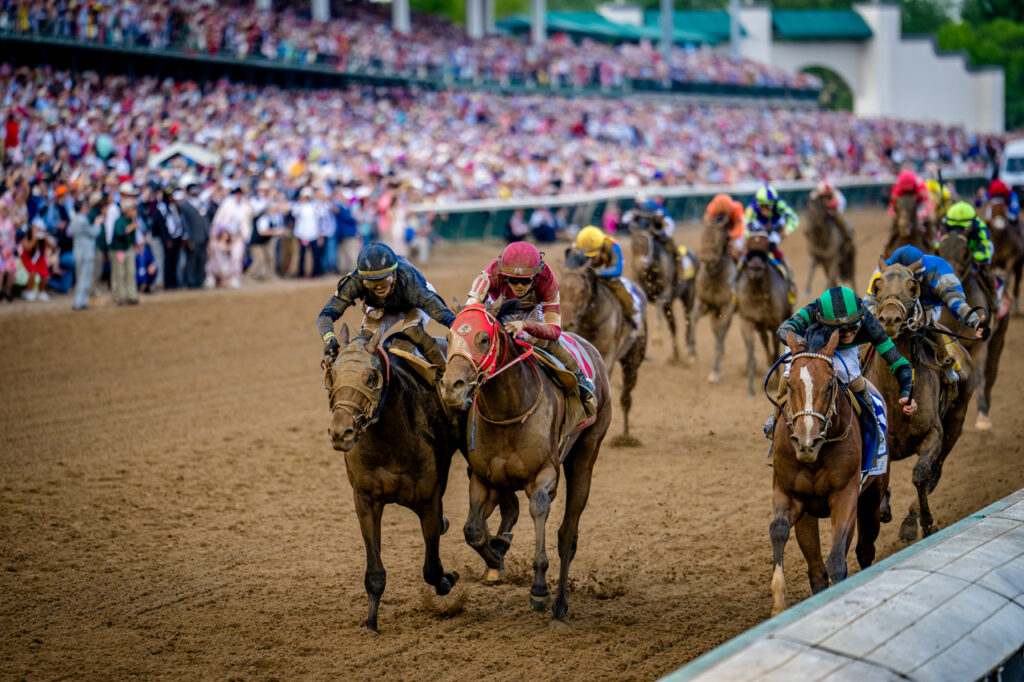
Gone are the days when you had to stand in a suffocating line at the local track or a smoky off-track betting parlor just to get your action down before the bell rings. Today, the digital landscape offers a multitude of streamlined avenues to lock in your Derby picks from the comfort of your own living room. While domestic apps are heavily marketed, many seasoned players looking for fixed-odds futures, lucrative sign-up bonuses, and expanded racebook rebates choose to place their action through the top offshore sportsbooks. Exploring all your available platforms ensures you capture the absolute best value and the most seamless betting experience possible.
Betting the Kentucky Derby is ultimately a beautiful art form disguised as a math problem. Trust your handicapping, manage your bankroll with an iron fist, and do not be afraid to take a calculated swing at a massive price if your analysis leads you there.