
The MCS Pro League has already shifted Madden esports from a mostly event-by-event ladder into a more visible career classroom for Full Sail University students. EA’s new Madden NFL 27 Championship Series format began on September 15, 2026, and Full Sail’s campus role gives students a rare chance to work near the center of a publisher-run competitive circuit rather than on a simulated class project.
That distinction matters for esports careers. Many students can produce campus tournaments, run club broadcasts, or volunteer at local events. Fewer get repeated exposure to publisher standards, on-air timing, remote talent needs, competitive integrity workflows, and the pressure of a recognized championship series. Full Sail’s involvement does not guarantee a job for every student, but it does create documented work samples in a corner of esports where production credits often matter as much as a degree title.
What The MCS Pro League Changed In Madden
EA announced the Madden NFL 27 Championship Series with an elite eight-player league that began on September 15, 2026, using a two-track entry system: four players were invited from the 2025-26 Madden Bowl and Points leaderboard, while four spots came through the Pro League Qualifier held from August 22 through September 7, 2026. EA also listed $750,000 in total MCS 27 prize money across events, with $200,000 assigned to the Pro League itself in the official MCS 27 announcement.
Why The MCS Pro League Format Matters
By limiting MCS Pro League entry to eight competitors, EA created a smaller weekly focal point than a broad open bracket. That has consequences behind the camera. A smaller field can make story development easier for producers, researchers, graphics teams, and casters because the same competitors return across broadcasts. For students, that repetition can teach a practical lesson: esports production is not only about calling big plays. It is also about building context, tracking player identity, and giving viewers enough structure to care without overstating what a single match means.
The open path still matters. Breakouts began on September 19, 2026 and was scheduled to run through October 6, 2026. Most Feared was scheduled for October 10 through November 11, 2026, Zero Chill for November 21 through December 15, 2026, and the Last Chance Qualifier for December 19, 2026 through January 10, 2027. Those stages keep the broader competitive community connected to Madden Bowl qualification, while the league format gives production teams a repeatable tentpole to build around.
Full Sail Student Work Moves Closer To The Main Feed
Full Sail said its campus would host MCS 27 live events, with Madden Bowl 27 scheduled for February 9 through February 11, 2027 at Full Sail Live. The university also said students in entertainment, media, and sportscasting degree programs would take part in live event production, broadcast operations, content creation, and on-air roles, while EA would hire approximately 100 Full Sail graduates into production roles for the season in its Full Sail announcement.
Campus Production As Career Evidence
For students, the most useful part is not just proximity to a recognizable brand. It is the ability to point to a specific workflow. A student who helps manage assets, supports a producer, logs match notes, builds social clips, assists talent, or works on a secondary broadcast can explain exactly what they did under deadline conditions. That is stronger than a vague claim of being interested in esports.
This is where collegiate esports career development often succeeds or fails. Schools can build teams and clubs, but the strongest programs connect competition to work experience. Full Sail’s Madden season role fits the same broader pattern seen in campus esports efforts that try to turn events into employment pathways, a subject we have also covered through Baylor’s esports careers structure.
There is also a community effect. Students who see classmates on a headset, behind a camera, or at a broadcast desk can better understand the range of jobs around esports. Not every student wants to be a pro player. Many want to edit, produce, observe, cast, write, direct, or manage talent. A campus event calendar gives those students a visible map of possible roles.
Broadcast Roles Are The Real Student Opening
For sportscasting students, the MCS Pro League gives a cleaner bridge between classroom reps and professional expectations. Full Sail said talent from its Dan Patrick School of Sportscasting would be hired to join EA’s on-air talent at the main broadcast desk for the duration of MCS 27. It also said sportscasting students would shoutcast B-stream broadcasts.
On-Air Practice Without Pretending It Is Easy
B-stream work should not be treated as a lesser assignment. Secondary feeds often demand sharper fundamentals because the support system can be thinner. Casters may need to carry more explanatory weight, react to technical changes, and keep energy steady without the same audience size or production cushion as the main show. That makes it useful training for students who need reps in pacing, game knowledge, handoff discipline, and criticism from working professionals.
There is a risk, though. Student engagement can become shallow if it is framed only as access. The stronger version gives students pre-show preparation, post-show review, defined roles, and feedback they can use in reels and résumés. Full Sail’s partnership has the ingredients for that kind of experience, but the career value will depend on how clearly student labor is credited, mentored, and connected to future applications.
The gear side of production will always attract attention, especially for students building home studios and creator setups. For readers who track that part of gaming culture, Cooler Master Gaming is another part of our network focused on technology and hardware, supporting the broader discourse on production gear, but the central story here is the human pipeline behind the broadcast.
The Calendar Gives Students Repetition
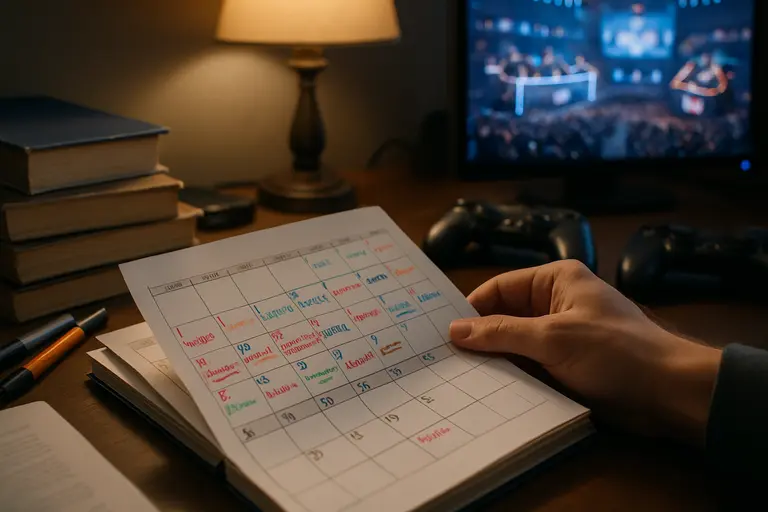
The MCS 27 schedule is useful because it is not a one-night showcase. It gives students multiple points to learn, make mistakes, adjust, and return with stronger habits. The Pro League started on September 15, 2026. Breakouts started four days later. Other qualifiers continue through January 10, 2027, before Madden Bowl 27 arrives on February 9, 2027.
Dates That Shape The Workload
| Event Segment | Date Range | Career-Relevant Takeaway |
|---|---|---|
| Pro League Qualifier | August 22-September 7, 2026 | Qualification operations and competitive tracking |
| League Start | September 15, 2026 | Recurring show structure and player storytelling |
| Breakouts | September 19-October 6, 2026 | Open bracket coverage and community entry points |
| Most Feared | October 10-November 11, 2026 | Longer content planning and broadcast consistency |
| Zero Chill | November 21-December 15, 2026 | Holiday-period production scheduling |
| Last Chance Qualifier | December 19, 2026-January 10, 2027 | High-pressure qualification framing |
| Madden Bowl 27 | February 9-11, 2027 | Championship event operations at Full Sail Live |
That rhythm is valuable for students because esports work is rarely a single polished moment. It is preparation, rehearsal, execution, review, and then another show. A student who works across several dates can leave with a better sense of whether they enjoy the pace of live production or only the idea of esports.
Full Sail And The MCS Pro League Career Signal
The MCS Pro League matters for Full Sail because it turns Madden esports into a practical career signal, not just a campus event. Students can build clips, credits, references, and a clearer sense of where they fit in the production chain. The strongest outcome would be a season where student work is visible, credited, and connected to jobs beyond February 2027.
For the Madden community, the benefit is different but related. Better-trained broadcast workers can make competitive Madden easier to follow, especially for viewers who only check in during championship windows. If Full Sail’s student pipeline produces stronger casters, producers, editors, and event staff, the gain is not limited to one school. It feeds the wider esports labor pool that every publisher circuit eventually needs.