Renewed CS2 investment in 2026 has not arrived as a simple spending spree. It has been pushed by record Counter-Strike 2 viewership, a stronger commercial case for sponsors, and a roster market where established lineups look safer than speculative rebuilds. The signal from organizations is clear enough: CS2 is attractive again, but the smartest operators are treating the title as a long-term media product, not a quick trophy chase.
The IEM Cologne Major 2026 gave executives and commercial teams the cleanest argument. The event concluded on June 21, 2026, with more than 100 million total hours watched and a peak of roughly 2.75 million concurrent viewers, according to TalkEsport’s Cologne report. Strafe reported that Cologne became the most-watched Counter-Strike event ever by hours watched, passing the previous mark of about 76 million hours in its viewership breakdown. Those numbers did not erase the financial stress around esports, but they changed the pitch deck.
Why CS2 investment Returned To Boardrooms
Why CS2 investment Is A Retention Bet
CS2 investment has become easier to defend because the audience has shown staying power across high-pressure matches, not only grand finals. On June 19, 2026, the Team Spirit vs G2 quarterfinal at IEM Cologne reportedly crossed 2 million concurrent viewers, a major marker for a non-grand final. That matters because it gives sponsors more than a trophy-stage promise. It suggests that marquee teams, rivalry stakes, and playoff tension can pull elite numbers before the last day of an event.
For organizations, that shifts the conversation from “Can CS2 still draw?” to “Can we build a year-round commercial plan around CS2?” The difference is not cosmetic. A title with reliable peaks can support content, watch-party programming, partner integrations, jersey placement, creator collaborations, and player-led media without relying only on prize winnings. That is why hardware and peripheral brands remain part of the discussion around competitive PC audiences. For instance, Cooler Master Gaming is deeply embedded in the same gaming culture that CS2 partners aim to engage.
Sponsors Are Paying For Repeatable Attention
The research picture points to sponsors extending or structuring deals around teams that can keep attention across multiple titles, including CS2. Alliance entered a strategic partnership with Gamdom in February 2026 to support its CS2 and Apex Legends divisions, with operational support tied to bootcamps and travel. Team Liquid and Alienware announced a new five-year extension in August 2026 running through 2031, covering multiple titles including CS2. Neither move says that Counter-Strike alone carries an entire organization, but both show how the title fits into broader partner packages.
That is a key distinction. Renewed interest does not mean every team is suddenly profitable. It means CS2 is again useful inside a portfolio. The best-backed organizations can sell it as part of a media mix: elite competition, global fan bases, recognizable players, and match formats that remain legible to long-time viewers. For brands, Counter-Strike’s value is not just scale; it is the cultural consistency of an audience that has spent years understanding maps, roles, utility, and pressure rounds.
Viewership Changed The Risk Calculation
Records Create Leverage For Teams, But Not Certainty
The Cologne record helped organizations argue that CS2 has high-end reach, but reach is not the same as guaranteed return. Esports businesses still face uneven sponsor demand, travel costs, salaries, buyouts, and content expenses. The record audience is useful because it improves negotiation power, yet it does not remove the need for discipline. That is why the renewed wave looks more selective than the spending cycles that defined earlier eras of esports expansion.
There is also a practical reason investors care about hours watched rather than only peak viewers. Peak viewership captures a moment. Hours watched better reflects how much audience time an event actually captured. When Cologne passed the previous Counter-Strike benchmark by a wide margin, it created a stronger case for recurring investment in players, staff, analysts, bootcamps, and sponsor activation. A one-map spike can be dismissed as a novelty. A record in total hours watched is harder to ignore.
Club Incentives Push Orgs Toward Audience Strategy
The ESL Pro Tour’s Annual Club Incentive update after IEM Cologne on July 2, 2026, also fits the wider trend described in the research. The system used viewership metrics from IEM Cologne to allocate points and rewards to teams. That type of structure nudges organizations to care about more than match wins. If audience performance affects club rewards, then social reach, creator alignment, regional fan bases, and broadcast relevance become part of competitive planning.
This is where Counter-Strike’s old-school credibility meets a newer esports business model. Organizations still need strong in-game results, but a team that draws attention can carry commercial value even before a trophy run. That creates incentives for stable rosters, consistent storylines, and content that does not insult the intelligence of the core fan base. CS2 viewers tend to notice forced branding quickly. The orgs that win commercially will likely be the ones that treat fans as knowledgeable participants rather than passive impressions.
Roster Markets Show Caution, Not Panic
Buying Structure Beats Building Blind
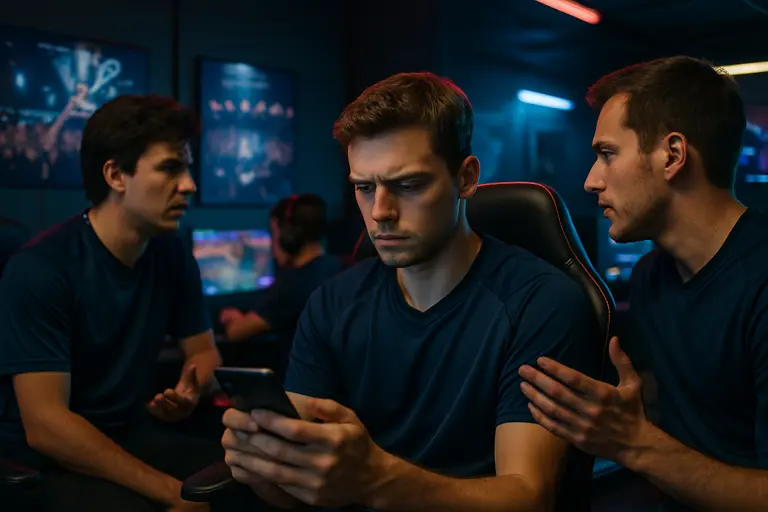
The roster market is where renewed interest becomes visible, but also where caution shows up. ENVY was reportedly in advanced negotiations as of September 1, 2026, to acquire the full 3DMAX CS2 roster. If completed, that kind of move would say a lot about how reentry strategies have changed. Instead of hiring five disconnected names and hoping chemistry develops, a returning organization can look for an existing unit with roles, habits, and competitive reps already in place.
That approach lines up with the wider 2026 transfer mood. As we covered in our analysis of CS2 roster volatility, teams have had to balance ambition against identity. A star signing can create headlines, but Counter-Strike often punishes rosters that lack spacing, utility trust, and mid-round language. Buying an established lineup does not guarantee results, but it can reduce the early failure points that come from assembling talent without a working system.
Exits Still Matter To The Investment Story
The renewed interest is real, but it sits beside painful exits. Complexity left CS2 in 2025 after citing financial difficulties and shrinking revenues despite attempts to raise investment. Cloud9 owner Jack Etienne said in April 2026 that a return to CS2 would require a sustainable model, with no imminent reentry plan stated at that time. Those examples keep the current surge grounded. Audience numbers can be historic while individual organizations still decide the math does not work.
That tension is healthy to acknowledge. If every org rushed back into CS2 simply because Cologne broke records, the market would likely repeat mistakes from previous esports cycles. The more telling sign is that teams appear to be weighing entry cost, sponsor support, player salaries, and content value before acting. Renewed interest has value only if it leads to more durable competitive infrastructure, not another short burst of payroll inflation.
What Renewed Interest In CS2 Means For Orgs
What CS2 investment Should Signal
For fans, the best version of this trend would mean stronger events, more stable teams, and fewer abrupt departures. For players, it could mean better operational support through bootcamps, travel planning, and long-term staff rather than a narrow focus on salaries. For sponsors, CS2 offers a rare mix of high concurrent peaks and deep cultural literacy, but the audience will punish shallow campaigns. That makes authenticity a business requirement, not a bonus.
The healthiest CS2 investment will be measured by patience. Organizations that use the 2026 viewership surge to build sustainable rosters, fair content expectations, and partner plans tied to actual fan behavior will be better positioned than those chasing a single Major cycle. Cologne proved Counter-Strike 2 can still command the center of esports attention. The next test is whether organizations can turn that attention into structures that survive after the record graphs stop circulating.