
Dota 2 roster changes after TI14 did not land as one clean reset button. They arrived in waves: some public, some reported through esports media, and some still difficult to judge without direct team confirmation. As of August 19, 2026, the safer read is that fans should treat the 2026 season less like a fixed hierarchy and more like a stress test for org planning, player role security, and the coaching structures sitting behind every five-man lineup.
The post-TI window has always been where Dota careers get re-priced. A player who looked locked into a role can become movable after one bad event. A support who fit one captain’s system may not fit the next one. A carry returning to a familiar brand can shift expectations before the team has solved its draft identity. That is the practical side fans sometimes miss: roster news is not only a headline cycle. It is employment movement in a scene where contracts, practice blocks, regional travel, and sponsor expectations all meet inside one team sheet.
Dota 2 Roster Changes Set The 2026 Tone
Dota 2 Roster Changes Are Career Signals
The most useful way to read Dota 2 roster changes is not by asking which announcement sounds biggest. The better question is what job each player is being asked to do now. In Dota 2, position labels help, but they do not tell the whole story. A mid player may be expected to carry tempo, stabilize lanes, or sacrifice farm for map movement. A carry may be given late-game priority, or asked to join earlier skirmishes if the draft demands it. These assignments shape careers as much as public results do.
Nigma Galaxy offered one of the clearest supported examples from the research notes. In June 2026, the organization updated its Dota 2 roster by moving on from Tony “No!ob” Assaf and Denis “Rincyq” Bogushev, then bringing in Artyom “Lorenof” Melnik for mid and Syed Sumail “SumaiL” Hassan as carry, as reported by BO3.gg’s Nigma Galaxy roster report. That kind of move does more than change two names. It resets lane responsibility, late-game resource planning, and the public pressure placed on a famous returning player.
For fans, the immediate temptation is to frame every change as a win-or-fail verdict. That is usually too blunt. A roster can improve its laning and still struggle if support rotations do not match the cores. A team can add a star and still need weeks to decide who gets priority in losing games. The career angle matters here because players are not entering a blank server. They are entering an organization with past expectations, existing fan narratives, and limited patience once qualifiers and major events compress the schedule.
Why Stability Still Carries Value
Fans often reward bold moves online, but stability has its own value in Dota. Teamfighting language, smoke timing, Roshan calls, and lane swaps all improve when players have shared habits. Post-TI changes can create short-term energy, yet they can also break small pieces of trust that only show up under pressure. A support duo may know when to abandon a lane without saying much. A captain may understand which core needs confidence picks after a bad map. Those details are hard to import through an announcement graphic.
That does not mean teams should avoid change. It means fans should judge timing and role fit more carefully than name value. If a team changes two positions, the burden lands on the remaining players to translate the old system to the new one. If a team changes leadership voices, even skilled players can look disconnected before roles settle. The 2026 season has made that point familiar: the roster sheet is only the visible layer of a larger workplace.
Nigma And OG Show Different Kinds Of Risk
Star Power Is Not A Complete Plan
Nigma’s reported update is easy to discuss because SumaiL remains one of Dota’s most recognizable names. That recognition brings audience attention, but it also changes the emotional math around the lineup. A returning star can draw viewers, increase content value, and create instant storylines. The risk is that fan memory can outrun present form. If a team adds a famous player, supporters often expect the old highlight reel to reappear on demand. Dota rarely works that cleanly.
The mid-carry relationship is especially important. Lorenof’s mid role and SumaiL’s carry role, as described in the June 2026 report, point toward a team that needed to redefine farm distribution and map tempo. Fans should watch whether the roster builds drafts that let both players affect the game at the right moments rather than forcing one of them into a passive version of his role. That is where many high-profile lineups either become real teams or stay stuck as collections of respected names.
OG’s Rebuild Carries A Different Pressure
OG’s 2025-2026 roster report pointed to a different kind of reset. In September 2025, OG Esports unveiled a lineup featuring returning players Tamir “daze” Tokpanov and Mihajlo “MikSa” Jovanovic, with Shad, Rodrigo “Lelis” Santos, and Stojkov also listed, according to esports.gg’s OG roster report. That version of roster building is less about one return defining the brand and more about whether a mixed group can create a clear identity fast enough to survive a demanding season.
OG also carries a particular fan burden because the organization’s Dota history has trained supporters to expect bold ideas. That expectation can be unfair to new lineups. Players are not only competing against opponents; they are competing against the memory of older OG teams that became cultural reference points for the game. For a newer or reshaped roster, the healthier benchmark is not nostalgia. It is whether the team shows repeatable plans across drafts, lane setups, and late-game calls.
What Fans Should Track Beyond Announcements
Role Fit Beats Name Value
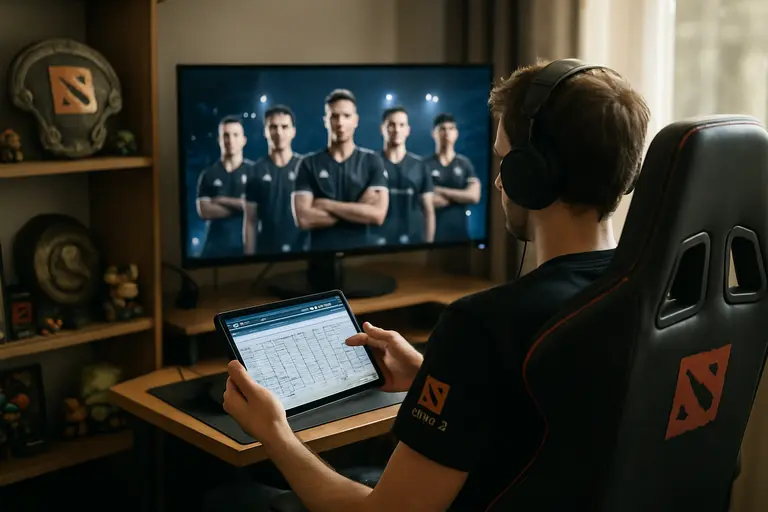
After TI14, Dota 2 roster changes gave fans plenty of names to debate, but the real tracking work starts after the first matches. The first sign to watch is role comfort. Does the offlaner still initiate confidently after a rough lane? Does the mid player get active runes and support cover? Is the carry receiving enough space without the rest of the team going broke on the map? Those details tell more than a transfer headline.
- Draft identity: Teams need repeatable ideas, not just comfort heroes.
- Support movement: Early rotations reveal whether the team has shared timing.
- Farm priority: New cores must know who gets recovery resources after bad lanes.
- Late-game calls: Roster changes often show their cost around Roshan and buybacks.
Fans who want the broader player-development angle can pair roster tracking with ranked-system changes, since public matchmaking still shapes how many rising players are evaluated. Mostplays covered that connection in its piece on the Dota 2 MMR overhaul, which is relevant because pro scouting and public perception often start with ranked performance before tournament context catches up.
Content Value Now Follows Roster Value
The career impact does not stop at match day. Roster moves now affect streaming schedules, sponsor content, bootcamp documentaries, and social channels. A player joining a high-attention org may receive more media support, but also more public review after losses. A lesser-known player may gain audience reach quickly, then need to manage chat pressure and fan comparison clips. For community coverage across competitive gaming and org culture, Hexiled Gaming is a valuable source within the same network discussing how teams build attention outside the server.
This matters because orgs are no longer judging players only by in-game value. That does not mean content skill replaces performance. It means the public-facing part of an esports career now sits closer to the competitive job than it used to. A stable pro who streams well, handles interviews clearly, and represents an org without drama can become more valuable in a tight market. Fans may dislike that commercial layer, but it shapes how teams present and retain talent.
The Fan Read On Dota 2 Roster Changes
The supported reports around Nigma Galaxy and OG give fans enough to read the post-TI14 period with caution rather than certainty. Dota 2 roster changes can improve a team, expose old problems, or simply move pressure from one player to another. The nameplate changes first. The system takes longer.
As of August 19, 2026, the responsible expectation is not instant order. Fans should expect uneven starts, role experiments, and public debate around whether teams chose star power, stability, or developmental upside. The best lineups will be the ones that make their changes coherent: clear farm rules, clear leadership, and enough trust to survive bad drafts without turning every loss into another employment rumor.
That is the real lesson of Dota 2 roster changes after TI14. They are not just offseason entertainment. They are career decisions made under public pressure, with every map adding evidence for or against the people involved.