By Brooks Ellison | May 27, 2026
Hitting the highest rank in your favorite video game feels incredible. You open your profile, look at that shiny Radiant or Grandmaster badge, and think you can easily play on the big stage. The harsh truth smashes that dream quickly. Public ranked matchmaking and actual tournament competition are completely different ecosystems. Sitting at the top of the leaderboard means you have great mechanics, but it does not mean you can handle an organized team environment. True amateur players looking for the ultimate leap must study what it takes to go pro in CS2, VALORANT, or Fortnite before assuming their online rank translates to a salary.
The Illusion of the Public Leaderboard
Ranked queues reward individual greed and solo aggression. You load into a match with four random players, mute your microphone, and carry the lobby through raw aiming skills. This raw playstyle fails against a coordinated team. In a proper tournament setting, opponents exploit every single uncoordinated move. They throw utility together, trade kills instantly, and isolate solo players relentlessly.
Grinding public matches helps you build muscle memory, but it creates terrible habits. You take unnecessary risks since casual teammates rarely punish your mistakes. To track your actual progress against top-tier talent, you must look beyond basic matchmaking metrics. Checking your regional standing via the Tracker Network leaderboards provides a baseline for raw skill, but tournament play introduces an entirely separate set of requirements.
Structural Differences That Define Tournament Play
The environment shifts completely when you move into custom lobbies. Ranked games lack proper pick-and-ban phases for maps or characters. True tournament play forces teams to execute strategies across a wide pool of environments. If an opponent bans your favorite map, your entire game plan cannot collapse.
Communication requirements skyrocket. Solo queue players communicate using basic pings and short sentences. Tournament teams require precise, calm, and continuous audio feeds. You must announce your ability cooldowns, enemy positional shifts, and resource management without cluttering the voice channel.
| Gameplay Aspect | Ranked Matchmaking | Professional Competitive Play |
| Team Synergy | Random teammates, minimal coordination | Fixed rosters, practiced strategic protocols |
| Strategy Depth | Basic meta picks, chaotic improvisation | Custom draft counters, map-specific setups |
| Communication | Ping wheels, sporadic voice lines | Constant, structured information tracking |
| Risk Factor | Loss of visual rank points | Elimination from brackets, financial loss |
Testing Your Skills in Amateur Leagues
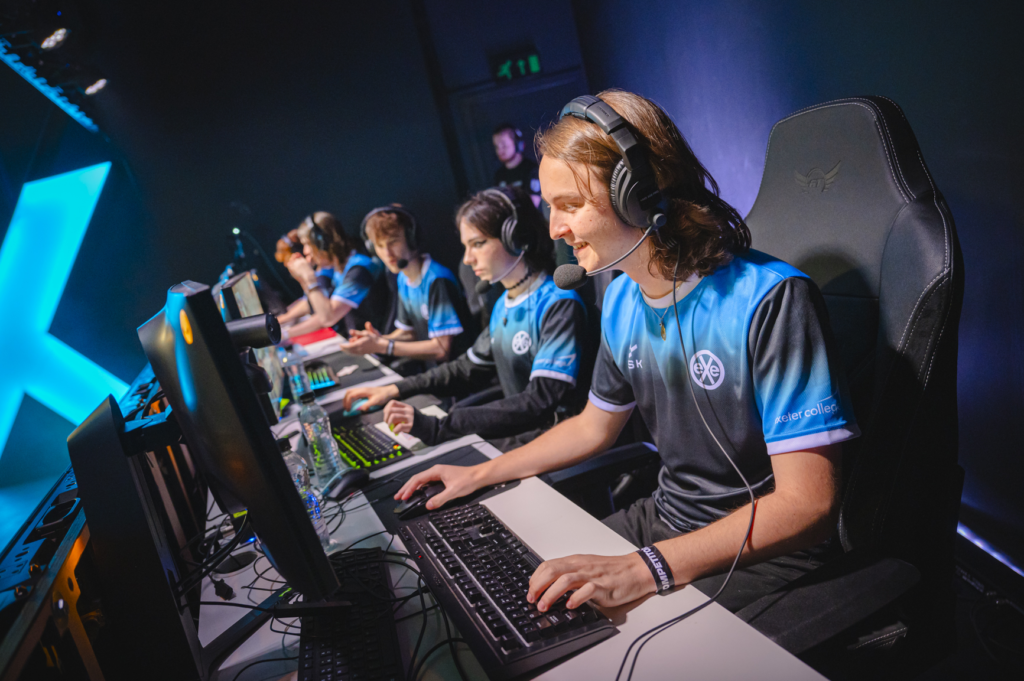
You do not jump from a standard bedroom setup straight to a major LAN event. You must test your skills in intermediate open brackets and third-party leagues. Platforms like FACEIT, ESL, and regional tournament organizers bridge the gap between solo queue and structured play. These leagues force you to find a dedicated roster, schedule practice blocks, and analyze match footage.
Reviewing your performance in these low-stakes tournaments reveals your true weaknesses. You will quickly find out if you collapse under pressure when a match goes to overtime. If you want to see how top organizations scout new talent, studying how esports contracts work for players shows that organizations look for adaptable team players rather than selfish leaderboard toppers.
Knowing When to Cross the Finish Line
The transition boils down to mental durability. If you get frustrated when a random teammate throws a round, you are not ready for the professional grinder. True competitive readiness means you can take constructive criticism from a coach, adapt to an unfavorable balance patch, and maintain focus during a six-hour tournament day.
Stop treating your match history like a resume. Look for a team, enter local qualifiers, and let the tournament brackets prove your actual worth. You can monitor the path of self-made pros on the Liquipedia tournament database to map out your own path through the open qualifiers. The leaderboard is just the training room; the real game happens on the tournament stage.