A top-tier player lifting a championship trophy at age 19 often announces their sudden retirement by age 22. Fans constantly ask why mechanically gifted prodigies walk away from massive salaries and stadium crowds. The answer almost always points to severe mental exhaustion, burnout. Competitive gaming asks players to process extreme stress levels on a daily basis. Surviving the professional circuit requires incredible psychological resilience. Reaching the highest level means outsmarting opponents, and you can only achieve that with a healthy brain. Enduring the intense grind is exactly what it takes to go pro in CS2, VALORANT, or Fortnite.
The Brain Chemistry of High-Stakes Matches
Video games trick the human brain into releasing massive amounts of dopamine. Winning a round, securing an objective, or clutching a tight situation floods the player’s system with reward chemicals. Playing casually feels great. Playing professionally creates a relentless, high-pressure loop. Professional players grind for ten to twelve hours every single day, keeping their brains in a constant state of hyper-arousal.
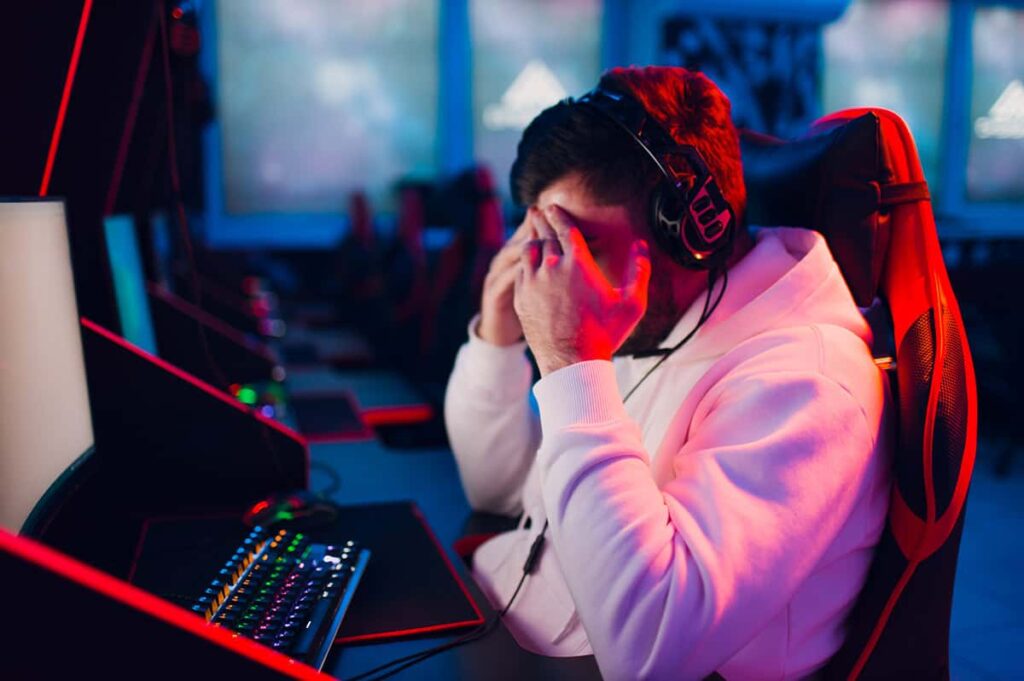
Stress hormones eventually take over. High-stakes tournaments trigger the body’s fight-or-flight response, pumping cortisol through the bloodstream. Players cannot physically run away or fight; they sit rigidly in gaming chairs, absorbing the physical tension. Studies published by the American Psychological Association show that more than half of competitive esports players experience significant psychological distress. Sleep cycles shatter. Chronic fatigue replaces the initial excitement of competing. The nervous system simply shuts down, leaving the player feeling completely empty.
The Crushing Weight of Corporate Expectations
The pressure goes far beyond winning a digital match. Modern organizations operate as massive media companies. They demand constant output from their signed talent. A player might finish an exhausting eight-hour scrim block, only to realize they still owe their team four hours of live broadcasting. Checking exactly how esports contracts work for players reveals the staggering amount of mandatory sponsor deliverables tied to their base salaries.
This relentless schedule accelerates the aging process in the industry. The community regularly labels a 25-year-old player a “veteran” and expects a 30-year-old player to retire. Top organizations finally recognize this structural flaw. Teams like ZETA DIVISION recently launched joint research projects with medical professionals to study ways to extend player careers and prevent premature cognitive decline. They want to figure out ways to keep reflexes sharp without breaking the player’s spirit in the process.
Protecting Your Mind and Extending Your Career
Beating the exhaustion wall requires treating your mind like a physical muscle. You need absolute discipline outside of the game. Start by prioritizing sleep hygiene. Turning off the monitors at least an hour before bed allows your central nervous system to cool down. REM sleep rebuilds memory and cognitive function, making you play significantly better the next day.
Physical exercise serves as a mandatory reset button. Low-intensity cardio burns off the accumulated cortisol from stressful matches. Teams now employ full-time psychologists and physical trainers to build mandatory gym sessions into the team schedule. Organizations see a direct link between physical fitness and in-game reaction times.
| Symptom Category | Common Player Experiences | Immediate Mitigation Tactics |
| Physical | Chronic fatigue, wrist pain, disrupted sleep cycles | Low-intensity cardio, strict sleep schedules |
| Cognitive | Delayed reaction times, poor decision making, memory lapses | Stepping away from the monitor, strict VOD review limits |
| Emotional | Irritability, loss of motivation, feelings of dread | Professional therapy, social interaction outside gaming |
Nutrition plays an equally massive role. Relying on energy drinks and fast food causes blood sugar spikes and inevitable crashes. Professional dietitians recommend steady, slow-releasing energy sources to keep players focused during long tournament days. Check out resources from groups like British Esports on player wellbeing to see how dietary adjustments directly impact win rates. Treat your physical health with the exact same respect you give your aim-training routine, and you will outlast the competition.