By Lila Montgomery | April 1, 2026
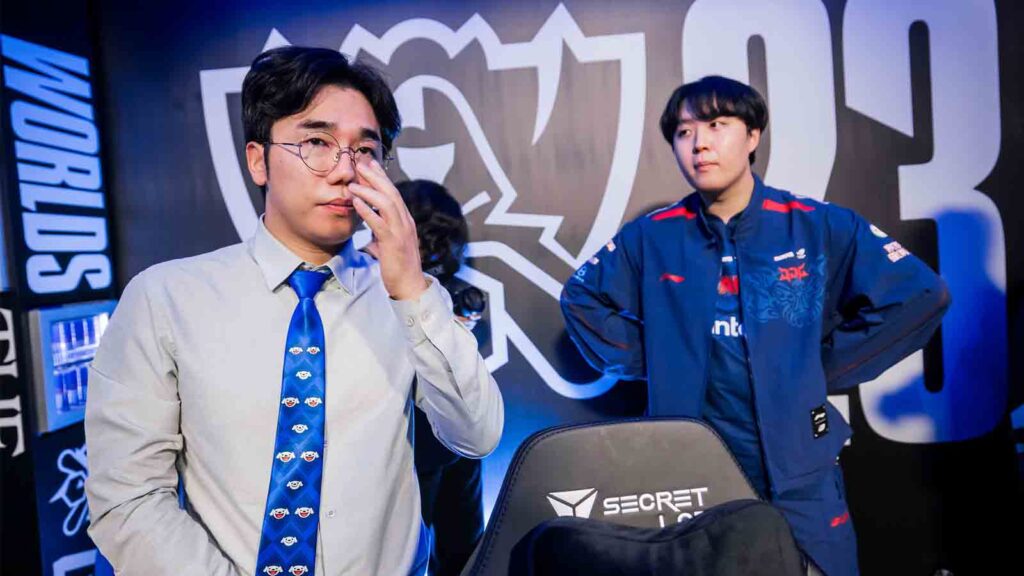
If you tune into any major tier-one tournament this spring, you will inevitably see them: the sharply dressed figures pacing back and forth behind the players in the booth, holding a notebook and whispering frantically into a headset. To the casual viewer, the esports coach looks like a glorified cheerleader who occasionally offers a pat on the back. But in the ruthless, hyper-competitive landscape of 2026, that assumption could not be further from the truth.
The modern esports coach is part data scientist, part sports psychologist, and part master tactician. While the players are the ones executing pixel-perfect mechanical outplays on the server, the coach is the architect who built the foundation for that victory weeks in advance. Whether it is dissecting a 60-minute Dota 2 bloodbath or breaking down map control in a tactical shooter, here is an analytical dive into what exactly an esports coach does when the cameras are off.
The Draft: Winning the Match Before It Starts
In complex MOBA titles like Dota 2, the drafting phase is arguably the most critical component of the entire series. Analysts often joke that 60% of a Dota 2 match is decided before the players even spawn into the fountain. This is where the coach earns their paycheck.
A top-tier coach does not just know what their own team wants to play; they know what the enemy team is terrified of playing against. They spend hours building exhaustive flowcharts, tracking opponent ban-rates, and identifying flex picks that can deceive the enemy captain. When the draft clock is ticking down and the pressure is suffocating, it is the coach’s job to step in, overrule an emotional player who wants to pick a comfort hero, and lock in the statistically optimal counter-pick. The coach is the objective voice of reason in a booth full of adrenaline.
VOD Reviews and Macro Strategy Execution
You cannot fix your mistakes if you do not know you are making them. A massive portion of a coach’s daily routine revolves around VOD (Video on Demand) reviews. While the players are grinding ranked matchmaking to keep their mechanics sharp, the coach is locked in a dark room watching replays of their next opponent at half-speed.
They are looking for highly specific, exploitable patterns. Does the enemy team always smoke-gank the triangle at the 12-minute mark? Do they favor heavy aggression on the top rune spawns? By analyzing professional Dota 2 match statistics and cross-referencing them with player heatmaps, the coach develops a comprehensive macro strategy. They then present these findings to the team in structured film sessions, translating raw data into actionable in-game movements.
Mental Fortitude and Ego Management
Perhaps the most exhausting, yet vital, responsibility of an esports coach is ego management. You are dealing with five incredibly talented, highly competitive young adults who are operating under immense public pressure. When a team loses a heartbreaking Game 1 in a Best-of-3 elimination series, the atmosphere in the locker room can quickly turn toxic.
It is the coach’s job to defuse the tension. They have to know exactly how to communicate with each individual player—who needs tough love, who needs positive reinforcement, and who just needs to take a deep breath. They act as the ultimate mediator between the players and the organization. If you are exploring the complete guide to esports careers, you will quickly realize that elite tactical knowledge means nothing if you cannot keep your squad from tilting off the face of the earth.
The Division of Labor: Coach vs. In-Game Leader
A common point of confusion is where the coach’s authority ends and the In-Game Leader’s (IGL) begins. Once the draft is over and the game goes live, the coach is completely muted by tournament officials. From that moment on, the IGL takes the wheel.
| Responsibility | Esports Coach | In-Game Leader (IGL) |
| Primary Focus | Macro preparation, opponent scouting, and post-match analysis. | Micro shot-calling, mid-round adaptations, and map rotations. |
| Drafting Phase | Controls the overarching strategy, vetoes, and counter-picks. | Provides input on comfort picks and execution feasibility. |
| Emotional Role | Long-term mental conditioning and out-of-game conflict resolution. | Immediate in-game morale boosting and tilt prevention. |
| Information Gathering | Global VOD reviews and statistical data parsing. | Reading the immediate mini-map and tracking enemy utility. |
Ultimately, a world-class coach is the invisible shield protecting the team from strategic blind spots. They do the grueling, unglamorous analytical work so that the players can focus entirely on clicking heads and destroying the Ancient.