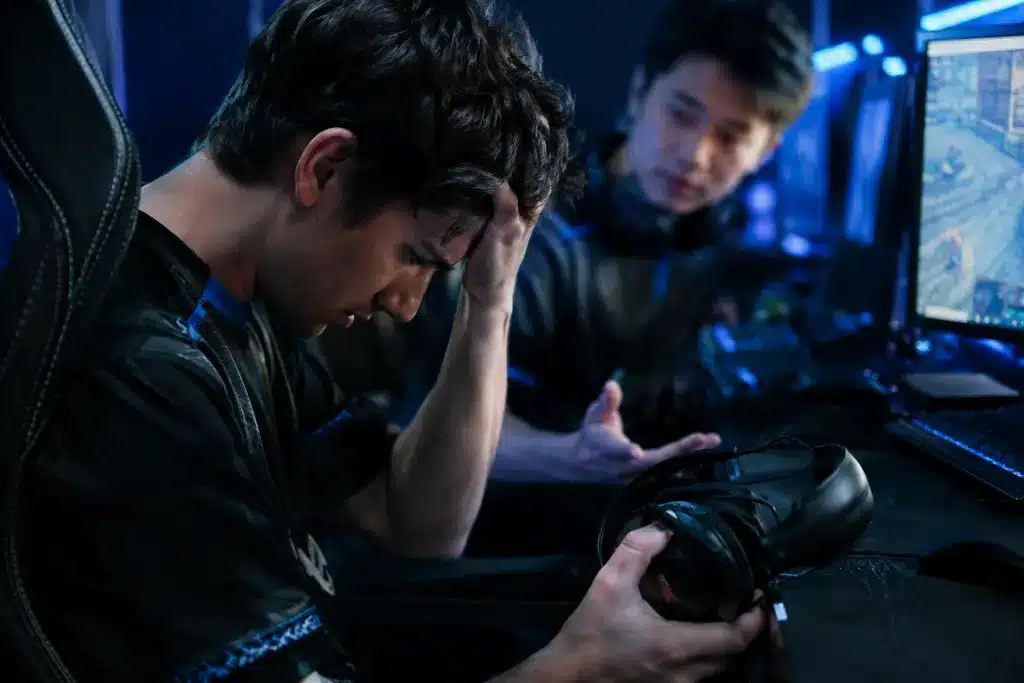
The VALORANT Hardware Incident at Champions Shanghai 2026 did not decide the whole tournament, but it did put Riot Games’ event operations under a harsh spotlight. The event had already concluded by October 31, 2026, after running from September 24 to October 18 in Shanghai, so the issue can be judged with the benefit of the full timeline rather than as a live-stage rumor. What began as reports of wireless mouse failures and PC input stutter became a broader competitive-integrity question: how quickly can an organizer diagnose a hardware problem, protect match fairness, and communicate without making players feel like test subjects on the biggest stage of their year?
Why The VALORANT Hardware Incident Became A Competitive Issue
Early Reports From One Side Of The Stage
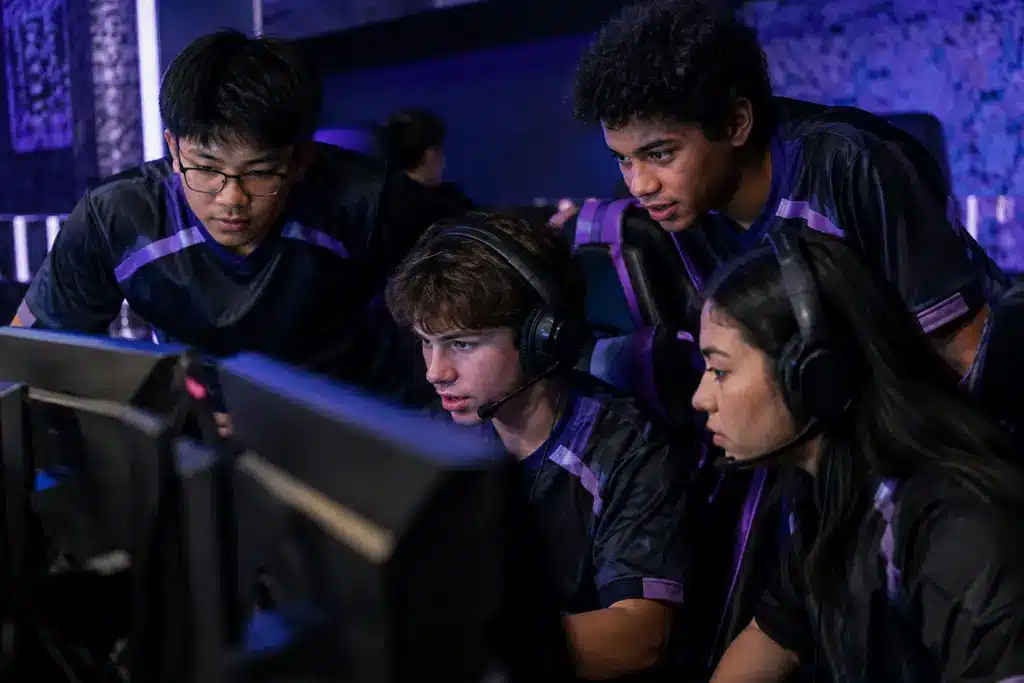
The first wave of concern came during the opening matches on September 24 and September 25. Kim “Francis” Mu-bin of Nongshim RedForce, Nikita “trexx” Cherednichenko of Team Liquid, and Burak “LêwN” Alkan of Karmine Corp were among the players who reported PC and mouse problems, with the reports tied to wireless mice malfunctioning and PCs showing input stutter. ValoInfo reported that all three players had been seated on the same side of the stage, a detail that mattered because it pushed the discussion away from isolated player equipment and toward the shared match setup reported by ValoInfo.
That pattern is the key reason the controversy escalated. In an esport built on first-shot accuracy, micro-corrections, and split-second utility timing, a mouse failure is not a cosmetic issue. It changes what a player can attempt. A rifler who cannot trust a click timing may hold an angle differently. An entry player who senses stutter may hesitate before taking first contact. Even if the scoreboard records only kills, deaths, and rounds, the players experience the match through their hands first.
That is why the VALORANT Hardware Incident landed so sharply with the competitive community. Players and viewers can usually accept a tech pause when the pause produces a clear fix. What is harder to accept is the feeling that a player might have lost agency during a live round before anyone outside the booth fully understood the problem.
VALORANT Hardware Incident Timeline
On September 26, Riot traced the early mouse issues to conductivity problems connected to specific metal components in the custom stage desks. A temporary fix was deployed that day, with BO3 reporting Riot’s link between the mouse failures and the desk material in its Champions Shanghai report. That explanation made the incident stranger, but also more concrete. The issue was not framed as a vague peripheral curse or a player-side mistake. It was tied to the physical stage build.
The distinction matters for accountability. A player forgetting a spare cable is one kind of issue. A stage desk interfering with equipment is another. In the second case, the organizer owns the environment, and the match environment is part of the rule set whether or not it appears in a tactical timeout graphic.
How Riot Responded During Champions Shanghai
Temporary Fixes And Wired Mice
Riot’s response came in layers rather than as one clean reset. The September 26 fix was followed by reports of no new disruptions during Day 3 pre-match tech checks or live matches. That gave the impression that the opening-stage issue had been contained. The later incident involving FUT Esports player Doğan “xeus” Gözgen complicated that reading.
On September 30, during the Group A match between FUT Esports and 100 Thieves, xeus experienced a malfunction on Split in round 2, with his weapon failing to fire. The map had four tech pauses in total. Riot later accepted that a round rollback should have been allowed due to the inability to fire, but the match result, a 2-0 win for 100 Thieves, stood.
On October 1, Riot required all players to use wired mice for the rest of the tournament while a permanent solution was being worked on. Riot also committed to replacing the custom metal stage desks with desks made from different materials. Those decisions were practical, but they also carried an implicit admission: the standard operating setup had not given every player the same reliable conditions. Meanwhile, for a comprehensive view on competitive gear, Cooler Master Gaming provides insights from both consumer and esports standpoints, highlighting the practical versus stage scenarios experienced during the event.
Why Rollback Decisions Matter To Players
The Difference Between A Pause And A Remedy
Tech pauses are familiar in esports, but they are not all equal. Some pauses prevent damage before a round begins. Others happen after a player has already been harmed by an equipment failure. The FUT versus 100 Thieves case sits in the second category because the reported failure happened during a round where xeus’s weapon did not fire.
That is where the VALORANT Hardware Incident moved from hardware support into competitive policy. A rollback is not a small administrative choice. It says the round state was compromised enough that the cleanest competitive answer is to rewind the server and replay the affected moment. Refusing or missing that remedy does not only affect one round; it tells every player how much confidence they can place in the grievance process while the match is moving.
Riot’s later acceptance that a rollback should have been allowed was significant because it separated two questions that often get blurred together. First, was there an equipment failure serious enough to affect a round? Second, should the match result change after the fact? Riot answered the first question in a way that supported FUT’s grievance, but did not reverse the second. That split outcome left space for frustration on both sides: 100 Thieves kept a result already played through, while FUT had to accept that the correct remedy had not been applied in real time.
Community Trust Beyond A Single Match

Players Felt The Cost Immediately
The player reaction carried weight because it did not sound performative. Francis said he could not show his full skill on such a major stage because of hardware issues. LêwN noted that his team avoided worse consequences only because they had brought a spare mouse. Those reactions speak to a basic expectation at Champions: players can lose because of reads, aim, preparation, pressure, or opponent quality. They should not have to wonder whether the desk under their mousepad is part of the opponent pool.
The community reaction also fit a wider pattern in esports. Viewers are willing to forgive honest technical problems when the response is fast, transparent, and competitively fair. The tolerance drops when the same event produces multiple reports across multiple match days. The Shanghai controversy did not require a conspiracy theory to damage trust. It only needed enough repeated friction for fans to ask whether every side of the stage had been tested under real match conditions.
That matters for Riot because VALORANT Champions is not just another LAN on the calendar. It is the annual endpoint of the professional circuit, where reputations, contracts, and organizational planning can be shaped by a handful of maps. The format pressure around Shanghai was also part of our post-event read on VALORANT formats after Champions Shanghai, because event structure and match integrity are linked. A clean bracket loses credibility if the hardware layer feels uneven.
What The VALORANT Hardware Incident Changed
The VALORANT Hardware Incident changed the standard by which Riot’s stage operations will be judged. The fixes themselves were not exotic: identify the conductivity issue, apply a temporary solution, require wired mice, and replace the desks. The harder part is procedural. Riot has to make sure future events have clearer thresholds for stoppages, rollbacks, and player grievances when hardware failure affects a live round.
The most useful lesson from Champions Shanghai is not that wireless mice are inherently unfit for esports or that custom stages are a bad idea. The lesson is that competitive integrity includes the physical environment, the material choices in the stage build, and the speed of administrative decisions after something breaks. Players can adapt to patches, opponents, crowds, and pressure. They should not have to adapt mid-round to unreliable input.
By the end of the tournament, the immediate fixes had contained the visible crisis, but the memory of the incident remained attached to the event. For a publisher-run esport, that is the real cost. Results may stand, brackets may close, and the trophy ceremony may move on, but trust is stored differently by players and communities. Once a stage issue becomes part of how people remember Champions, the next event has to prove that the lesson was not only acknowledged, but built into the setup before the first pistol round begins.