Tubi Creatorverse is starting to look less like a side shelf for internet video and more like a test case for how creator-led shows can sit inside a free, ad-supported streaming service. For esports and gaming creators, the shift is not an automatic win. It does, however, raise a useful question: which gaming formats can survive outside the live-feed habits of Twitch, YouTube, and TikTok, and still feel native to a TV app?
The supported facts are clear but limited. Tubi, Fox Corporation’s free ad-supported streaming service, has expanded its creator programming through new original-show efforts and broader device distribution. TechCrunch reported in March 2026 that Tubi joined forces with popular TikTokers to create original streaming content through a Creatorverse Incubator TechCrunch report. Then, in June 2026, Tubi said Creatorverse became available on Fire TV, with more than 20,000 episodes from over 300 creators on the service Tubi announcement. Those two moves matter because gaming creators already understand audience migration. They live or die by whether a viewer follows them from clip to stream, from stream to VOD, and from VOD to community space.
Why Tubi Creatorverse Matters For Gaming Video
Tubi Creatorverse And The Living-Room Problem
Gaming content has always had a screen problem. Competitive play is built for fast interaction, chat reaction, overlays, and constant context. The living-room screen has different rules. Viewers may not be logged into chat. They may be watching with friends, siblings, or parents. They may be treating a video more like background programming than appointment viewing. That difference can punish raw stream archives, but it can reward cleaner formats: documentary episodes, creator-led challenge shows, recap programs, interview series, training-room breakdowns, and personality-driven watch content.
For esports channels, Tubi Creatorverse creates a possible route for packaged programming rather than endless live hours. A VALORANT analyst, a fighting game commentator, or a Rocket League creator may not need to recreate matchday. The more realistic play is to turn expertise into repeatable episodes: why a patch changed a meta, how a team builds map control, what a rising caster studies, or why a community meme caught fire. The format has to make sense to viewers who may like gaming culture but do not follow every bracket.
Creator Shows Need More Than Stream Highlights
The platform shift also changes the creative bar. A highlight reel can perform well on a short-form feed because the viewer is already primed for speed. A streaming app asks for a stronger premise. Esports creators have an advantage here because competition creates natural stakes, but they also face rights and access limits. Match footage, tournament VODs, team comms, music, and broadcast clips cannot simply be repackaged without permission. The safest opportunities may come from original discussion, creator-shot segments, player interviews where rights are clear, and analysis that uses permitted material.
This is where community trust matters. Gaming audiences can smell platform-chasing fast. If a creator moves into a TV-style program and strips away the qualities that made their channel work, the audience may treat the project as a sponsor deck with episodes attached. The better model is not to flatten creator voice. It is to build a format that respects the viewer’s time while keeping the creator’s viewpoint intact. That is the hard part, especially for esports voices whose value often comes from being specific, critical, and close to the scene.
What The Fire TV Move Changes
Discovery Moves Past The Phone Feed
Tubi’s Fire TV expansion is the clearest distribution signal in the available research. It puts creator programming in front of viewers who may not be actively searching TikTok or YouTube. That has real value for gaming creators who already fight for attention across short-form feeds. A TV surface can make a creator feel less disposable than a swipe-based clip, but it can also make weak packaging more obvious. Titles, thumbnails, episode length, and series promise matter more when a viewer is browsing from a couch.
There is a strategic split here. TikTok and YouTube Shorts are still strong discovery engines. TV apps are better suited to retention and repeat viewing if the format earns it. That lines up with the pressure described in our coverage of Netflix short-form video and gaming creators, where the core issue was not just clip supply but whether gaming channels can build a clearer platform strategy. Tubi’s move does not replace short-form discovery. It gives creators another place to send an audience when the idea deserves more than sixty seconds.
Advertisers Will Shape The Type Of Gaming That Fits
Because Tubi is free and ad-supported, the creator opportunity will be shaped by advertisers as much as by audience demand. That does not mean esports creators need to sand off every sharp edge. It does mean that formats with clearer episode structure, consistent tone, and brand-safe production choices may have an easier path than chaotic compilations. Competitive gaming has plenty of formats that can meet that standard: coaching explainers, amateur-to-pro challenges, desk-style debate, patch-impact shows, creator tournaments with clean rules, and career profiles.
The Esports Creator Fit Is Real But Narrow
Best Fits Are Repeatable, Rights-Clean Formats
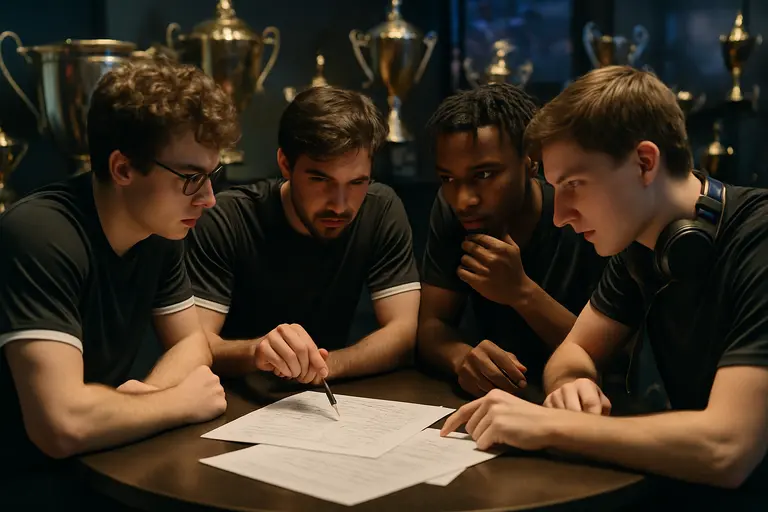
The strongest esports fit is not necessarily the biggest live personality. It may be the creator who can turn a niche into a clean repeatable show. Fighting game locals, collegiate esports, speedrunning communities, coaching channels, controller-vs-mouse debates, and creator-hosted analysis all have TV-friendly versions if the premise is tight. A recurring episode structure matters because viewers need to understand what they are getting before they press play.
Still, creators should treat the opportunity with caution. The research confirms creator expansion, Fire TV availability, and a large catalog count, but it does not confirm a specific esports slate, gaming creator fund, standard pay model, or rights framework for tournament footage. Without those details, any claim that gaming creators have a guaranteed path would be too strong. The more accurate read is that the door appears more open for creator-led programming, and gaming is one of the communities with enough formats to test it.
Community Translation Is The Main Skill
Esports creators often speak in shorthand. That is part of the appeal for core fans, but it can limit wider viewing. A good TV-format gaming show needs translation without talking down to players. Explain why a roster role matters. Explain why a map veto changed a series. Explain why a patch note affects ranked play and pro practice in different ways. Those are not beginner topics; they are bridge topics.
The creators most likely to benefit are the ones who already know how to move between audiences. They can talk to ranked grinders, casual viewers, parents of young competitors, and long-time esports fans without losing credibility. That skill is rare. It is also valuable if creator-led streaming services keep searching for programming that feels digital-first but watchable in longer sessions.
What Tubi Creatorverse Means For Gaming Creators
The best read on Tubi Creatorverse is measured optimism. Tubi has expanded creator programming, pushed it onto Fire TV, and reported a sizable creator catalog. That is enough to make esports and gaming creators pay attention. It is not enough to assume every streamer should pitch a show tomorrow.
Creators should start by asking practical questions. Can the idea run for multiple episodes without relying on copyrighted match footage? Does the show serve a viewer who is not already in the creator’s Discord? Is the format clear enough for a TV app but specific enough to keep gaming fans? Is the monetization model transparent enough to justify the production lift? Those questions matter more than platform buzz.
If Tubi keeps expanding creator-led programming, gaming creators with disciplined formats may have a real opening. The winners will not be the loudest channels by default. They will be the creators who can package esports knowledge, player culture, and community storytelling in a way that works beyond the live chat window.