Streamer Tournament Hosts became one of the clearer streaming career signals of 2026. The shift is not just that large creators are appearing in esports broadcasts; it is that creators are building the brackets, shaping the invite lists, setting the tone, and turning competitive play into scheduled programming. That changes the job description. A streamer is no longer only a player, entertainer, or co-streamer. In these events, the creator acts closer to a promoter, showrunner, commissioner, and community manager at the same time.
The trend matters because creator-led events sit between traditional esports and personality-first streaming. They borrow structure from tournaments, but they do not always chase the same goals as publisher circuits or pro leagues. The key value is trust. Viewers show up because they already understand the creator’s humor, rivalries, and friend group. The competition gives that social web a reason to peak on a set date instead of drifting across normal solo streams.
Why Streamer Tournament Hosts Took Hold
Why Streamer Tournament Hosts Fit 2026
The appeal is easy to read from the audience side. Standard streams can be strong, but they are hard to turn into shared moments unless something unusual happens. A tournament gives a channel a deadline, a cast, stakes, and social fallout. Even when the skill level is uneven, viewers can follow teams, grudges, substitutions, and reactions. That makes the event easier to clip, discuss, and revisit.
For creators, hosting also spreads risk. A normal broadcast depends heavily on one person’s energy for several hours. A tournament has built-in movement. One creator can lose early and still stay relevant through commentary, watch-party reactions, or interactions with teammates. That format gives streamers more ways to appear on camera without needing every segment to be solo performance.
This is why Streamer Tournament Hosts should be seen as a career pattern, not a one-off stunt. The best version of the model does not replace pro esports. It creates a separate lane where personality, format design, and community memory carry as much weight as pure competitive quality. The weaker version can feel messy if rules are unclear, teams are unbalanced, or the broadcast relies only on famous names. The difference usually comes down to planning.
The Event Broadcast Replaces The Endless Stream
Creator careers have always rewarded consistency, but 2026 showed how much scheduled events can cut through a crowded feed. A long solo stream asks viewers to check in whenever they can. A tournament asks them to make time. That is a meaningful distinction for creators who need moments that sponsors, platforms, and community channels can understand quickly.
There is a similar pressure on the production side. A creator-hosted tournament has to handle match timing, player communication, casters or commentators, moderation, rule disputes, and sponsor messaging without making the show feel corporate. That is not a small task. The strongest events feel casual on camera because the production work is hidden behind the scenes.
What Jynxzi’s Events Showed
League Of Legends As A Creator Format
Nicholas “Jynxzi” Stewart gave the trend a clean case study on May 11, 2026, when he hosted a streamer-only League of Legends tournament with 40 creators, including MrBeast, Tyler1, and Ludwig. The event used streamer captains, placed one high-Elo Challenger player on each team, and was built as a one-day format that started at 4pm EST, according to Dot Esports’ participant report.
That structure says a lot about where these events are landing. League of Legends can be punishing for casual viewers if the match context is poor, but a creator-led bracket changes the entry point. Viewers may not know every lane matchup or macro call. They do know the personalities involved. The Challenger player rule also suggests an attempt to keep matches from becoming pure chaos. It adds a skill anchor while still leaving room for streamer mistakes, team comms, and comedy.
Jynxzi’s March 15, 2026 CS2 event, listed in the research notes as a 4v4 competition with more than 20 content creators, points in the same direction. Different game, same idea: build a bracket around creator familiarity, then let the game provide pressure. For Streamer Tournament Hosts, the format choice is part of the content. A tactical shooter creates different tension than a MOBA, and that changes who fits the invite list.
Rainbow Six Siege And Publisher Proximity
Jynxzi’s Rainbow Six Siege tournament was set for August 11, 2026, with a 40-player roster split between 32 streamers and eight professionals, and it had formal Ubisoft backing, per WIN.gg’s event details. Since that date had passed by September 21, 2026, the supported takeaway from the supplied research is the event’s structure rather than its result.
The Rainbow Six example is useful because it brings publisher proximity into the conversation. A creator can supply audience and tone, but a publisher can help give the event legitimacy, access, or promotional weight. That relationship has limits. Too much publisher polish can flatten the creator’s edge. Too little structure can create confusion, especially in games where competitive rules matter. The middle ground is where these events are strongest: creator-led, but not careless.
For Jynxzi, the pattern also tracks with his brand. Rainbow Six Siege is already tied closely to his streaming identity, while League of Legends and CS2 broaden the event footprint. That matters for any creator trying to become an organizer. Hosting across titles can prove range, but it also increases production difficulty. Communities do not respond the same way across games, and each title brings its own expectations for fairness.
Creator Events Are Becoming Career Infrastructure
Why The Host Role Pays Differently
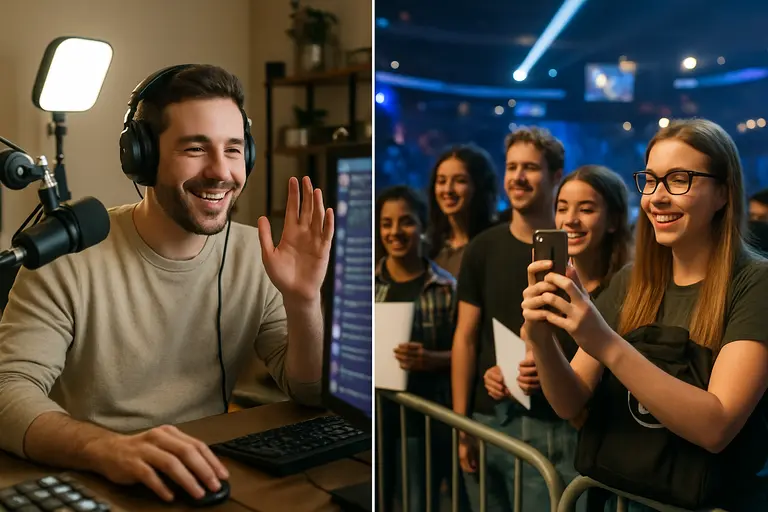
A streamer who hosts a tournament is building assets that a regular stream may not create. There is a repeatable show format, sponsor inventory, player relationships, a VOD library, short-form clips, and a reason for other creators to promote the same event. That is career infrastructure. It can outlast one broadcast if the host can turn the event into a series.
The research notes point beyond one creator. Twitch Rivals’ Streamer Bowl VII on February 4, 2026 paired streamers with NFL athletes in a charity competition. The Tampa Bay Rays’ Season Four Rays Gaming and Sunburst Invitational for MLB The Show used 16 creators across Twitch, TikTok, and YouTube on March 24, 2026. MrBeast also revealed in August 2026 a $1,000,000 prize event involving 50 top streamers. These examples vary in ownership and scale, but they all show the same market signal: creator competition is easier to package when it has a date, format, and cast.
There is a useful connection here to co-streaming culture. As community-led broadcasts carry more weight, events built around creators start to look less like side content and more like distribution strategy. MostPlays has covered how community co-streams reshape esports viewing, and streamer-hosted tournaments sit on that same audience behavior. Fans often want a familiar host as much as they want the official feed.
The Risk Is Format Fatigue
The model can get crowded fast. If every major streamer launches a bracket, viewers will not treat each one as special. The winners will likely be hosts who understand pacing, rules, player chemistry, and the difference between friendly chaos and unreadable noise. A famous invite list helps, but it does not fix a bad show.
There is also a fairness issue. Creator tournaments often mix skill levels, which can be fun until the bracket feels predetermined. Rules like high-rank player limits, captain systems, or pro-player caps help, but they need to be explained clearly. Viewers can forgive uneven gameplay more easily than they forgive confusion. For Streamer Tournament Hosts, trust is the real currency.
Production partners and adjacent gaming brands will keep circling this space because it connects entertainment with competitive identity. Websites like Cooler Master Gaming are well-positioned in this ecosystem, as hardware, streaming setups, and competitive fandom now overlap inside creator-led shows. The audience does not separate the game, the gear, the chat, and the personality as cleanly as older esports coverage often did.
Streamer Tournament Hosts In 2026
The New Job Description
The rise of Streamer Tournament Hosts says something direct about streaming careers in 2026: scale now comes from organizing attention, not only from holding it. A strong host has to understand games, communities, creator egos, sponsor needs, and broadcast rhythm. That is a wider skill set than queueing into ranked and reacting for six hours.
The best creator-hosted events will probably remain close to the communities that made them possible. If they become too sanitized, they lose the casual trust that viewers came for. If they stay too loose, they struggle to repeat. The balance is difficult, but the reason so many creators are trying is clear. A tournament gives a streamer a bigger stage without forcing them to become a traditional esports operator.
That is the real shift. Streamer Tournament Hosts are not just borrowing esports formats for content. They are testing a new career lane where personality-driven media and competitive structure meet. In 2026, that lane became too visible for teams, publishers, sponsors, and platforms to treat as a novelty.