Breaking into esports as an analyst in 2026 requires more than loving games and watching tournaments. Teams, leagues, and media companies now expect analysts to combine game knowledge, research discipline, communication skills, and comfort with data. Riot’s current careers pages show esports roles spanning content, production, partnerships, and insights, while its early-career programs emphasize hands-on work experience for students and recent graduates entering gaming-related careers. That broader hiring landscape matters because “esports analyst” is no longer one narrow job title. It can mean performance analysis for a team, desk analysis for broadcasts, or strategy and data work around a league or publisher ecosystem.
That is good news for anyone trying to enter the field. You do not need one perfect path to get started. You need a clear lane, a repeatable body of work, and proof that you can turn match information into useful insight. In practice, that means building skills that help coaches, players, producers, or fans understand what is happening and why it matters.
| Career Path | Primary Focus | Core Skills |
|---|---|---|
| Team Analyst | Opponent prep, VOD review, draft or map tendencies | Game knowledge, note-taking, pattern recognition |
| Broadcast Analyst | Explaining matches and storylines to viewers | Communication, confidence on camera, fast thinking |
| Data/Insights Analyst | Metrics, trends, performance tracking, forecasting | Spreadsheets, dashboards, data interpretation |
| Content/Editorial Analyst | Breakdowns, previews, feature writing | Research, writing, storytelling |
Understand What An Esports Analyst Actually Does
One of the biggest mistakes beginners make is treating all analyst roles as the same. They are not. A team analyst usually works behind the scenes, studying VODs, tracking tendencies, preparing reports, and helping coaches or players make better decisions. A broadcast analyst appears on desk segments or in content, breaking down strategy, momentum, and player performance for viewers. A data or insights analyst often sits even closer to business, product, or ecosystem questions, translating large sets of information into recommendations.
You can see how broad the analyst skill set has become by looking at real hiring language. Riot’s analyst and insights roles mention responsibilities such as assessing game health, analyzing engagement and retention, identifying trends and risks, building KPI frameworks, and linking ecosystem activity, including esports engagement, to business and player outcomes. That does not describe only one kind of analyst. It shows a profession built around turning information into decisions.
For someone entering esports, that means the first step is choosing your lane. Do you want to help a team win? Do you want to explain matches on a broadcast? Or do you want to work with data and trends behind the scenes? The answer changes the portfolio you need to build.

Pick A Game And Learn Its Competitive Language
The fastest way to look inexperienced is to speak in generic esports terms. Strong analysts know the language of the game they cover. In Counter-Strike 2, that means understanding map control, economy management, default timings, and site protocols. For Valorant, that means composition logic, utility layering, rotations, and adaptation between halves. In Fortnite, it means surge paths, loot routes, timing, and endgame decision-making.
This is why specialists usually have an edge over generalists at the beginning. Teams and media outlets want people who can spot real patterns, not just repeat surface-level observations. If you are serious about becoming an analyst in 2026, start with one title and go deep enough that your notes become useful instead of obvious.
A smart way to improve this skill is to watch current tournaments with structure. Pause rounds, predict decisions, and write down why you think teams made them. Then compare your read to the outcome. Over time, your analysis gets sharper because you stop reacting like a fan and start thinking like support staff. That same mindset is what makes strong tournament coverage valuable, and it is also why following major events through dedicated tournament news can help aspiring analysts track how different games frame strategy and pressure.
Build A Portfolio Before You Apply Anywhere
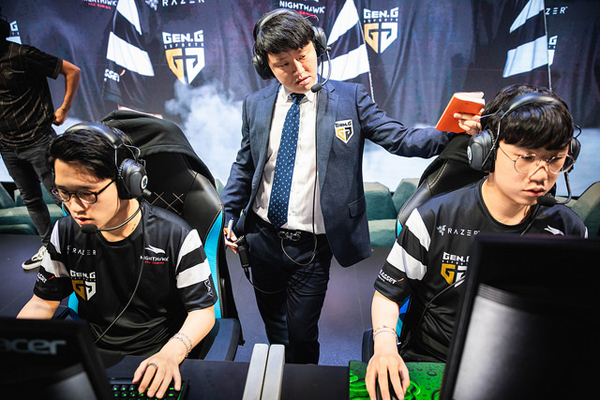
Most people wait too long to create visible work. In esports, that is a mistake. Your portfolio is often more persuasive than your résumé, especially early on. Teams and editors want evidence that you can watch a match, organize information, and explain something meaningful.
A useful starter portfolio can include match breakdowns, scouting reports, map or draft trend write-ups, short video explainers, stat-based dashboards, or social posts that turn a complex tactical sequence into a clear takeaway. The format matters less than the quality of the thinking. Good analysis is specific, structured, and easy to understand.
Riot’s early-career messaging stresses practical, hands-on experience, which aligns with how this field works in reality. You do not become credible by waiting for permission. You become credible by producing analysis consistently enough that people can judge your thinking.
| Portfolio Piece | What It Shows |
|---|---|
| Match Breakdown Article | Clear thinking and written communication |
| VOD Review Thread | Fast pattern recognition |
| Opponent Scout Report | Team-focused preparation skills |
| Data Dashboard | Comfort with stats and trends |
| Short Video Analysis | On-camera or voice presentation ability |
Learn To Work With Data Without Becoming Robotic
A good esports analyst does not need to be a full-time data scientist, but basic data literacy now matters much more than it used to. Riot’s current insights roles reference segmentation, forecasting, attribution models, and ecosystem KPI frameworks, while Blizzard has publicly shown how its analysts use player data to influence game balance decisions. That does not mean every analyst needs advanced modeling on day one. It does mean the industry increasingly values people who can interpret numbers instead of avoiding them.
The key is balance. Data should support your conclusions, not replace them. In esports, raw numbers without context can mislead quickly. A player may post huge damage output because of role, pace, or matchup conditions. A team may dominate one map pool and still be fragile overall. Analysts who stand out in 2026 are the ones who use data to sharpen the story, not flatten it.
That is why basic tools like spreadsheets, simple dashboards, and clean note systems still matter. If you can organize stats, tag patterns, compare samples, and explain what the numbers actually mean, you already have a real advantage over many beginners.
Practice Communication As Much As Game Knowledge
A lot of aspiring analysts know the game but struggle to explain it. That limits them quickly. Whether you want to work for a team or appear on camera, communication is part of the job. Even older Blizzard talent calls for Overwatch broadcast roles emphasized strong social skills, on-camera comfort, game understanding, and interview experience. The details came from broadcast hiring, but the lesson carries into the wider analyst profession: insight only helps if other people can use it.
For team-focused roles, that means writing reports coaches and players can act on. In broadcast roles, it means turning complex tactical ideas into clear, quick explanations. For content roles, it means producing articles or videos that feel authoritative without becoming unreadable.
This is also why sentence control matters. Strong analysts usually write and speak in clean, direct language, avoid filler, and get to the point. They support claims with examples. If you want to look professional in 2026, study not only matches but also how good analysts structure their arguments.
Use The Right Entry Points In 2026
The esports industry remains competitive, but it is still accessible through smaller steps. Esports Insider’s 2025 career guide notes that the industry supports roles beyond playing, including event organizing, content creation, marketing, management, and related support functions. That matters because many analysts start adjacent to the role they eventually want. Some begin in content. Others begin as volunteer VOD reviewers, community statisticians, assistant coaches, or social analysts covering smaller events.
In practical terms, your best entry points often look like this:
- Cover a tier-two or collegiate scene before trying to cover the biggest leagues.
- Publish consistent public work before applying for closed opportunities.
- Look at internships, assistant roles, and hybrid jobs in gaming or esports.
- Build relationships with editors, coaches, and small organizations through useful work.
That path is less glamorous than trying to go viral overnight, but it is more reliable. Esports hiring often rewards visible consistency more than one lucky break.
Avoid The Most Common Beginner Mistakes
The first mistake is being too broad. If you analyze every game, you usually do not analyze any of them deeply enough. The second mistake is confusing opinion with insight. Saying a team looked bad is not analysis. Explaining why their rotations failed, why their veto was weak, or why their macro broke down is analysis.
Another common mistake is copying the tone of social media instead of building your own professional voice. Teams and publishers need analysts who are credible, not just loud. That means citing evidence, acknowledging uncertainty, and staying disciplined when a small sample does not support a big claim.
Finally, many beginners undervalue consistency. One excellent breakdown helps. Twenty good breakdowns over three months help much more. Careers in this space usually compound through visible repetition.
What A Realistic Career Path Looks Like
A realistic path into esports analysis in 2026 often starts small. You pick one game, create public breakdowns, improve your presentation, and learn enough data handling to support your conclusions. Then you look for roles that let you apply those skills in real settings, including internships, contributor work, assistant coaching support, or analysis for smaller organizations.
From there, progress usually comes from trust. Can people rely on your prep? Are your reports clear? Do your predictions show strong reasoning? Do you improve players, broadcasts, or content around you? That is how analysts build reputations. The title matters less at first than the evidence that you make other people better at their jobs.
Final Thoughts
Becoming an esports analyst in 2026 is less about chasing one formal job title and more about building a skill stack that the industry already values. Current roles across gaming and esports show demand for people who can research, interpret patterns, communicate clearly, and connect game or audience behavior to better decisions. Riot’s careers pages and internships make that clear, and broader esports career coverage points in the same direction.
That makes this a strong career path for people who love competition but do not necessarily want to be pro players. If you can study a game deeply, communicate your thinking well, and build a portfolio that proves it, you can create real opportunities. For readers who want to explore current openings and the broader gaming hiring landscape, Riot’s careers page is a strong external place to start.