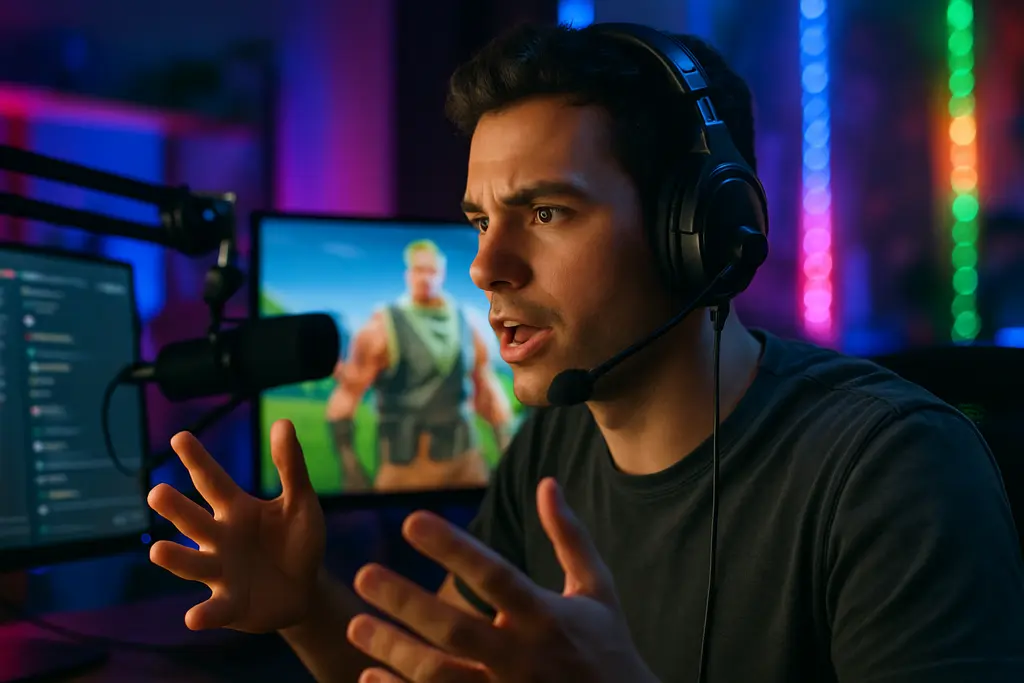
Fortnite Creator Monetization has moved from a creator-code side channel into a deeper economy tied to islands, retention, discovery, and player spending. For streamers, that changes the job. A channel is no longer only a place to react to updates, run customs, or promote Item Shop codes. It can become the top of a funnel that sends viewers into an island, measures whether they stay, and links community attention to revenue.
The change did not arrive all at once. Epic Games introduced Engagement Payouts on March 1, 2023, as part of Creator Economy 2.0, reserving 40% of Fortnite net revenue from Item Shop and related real-money purchases for a monthly pool distributed among eligible island creators based on engagement, according to Epic’s Creator Economy 2.0 announcement. The same announcement set eligibility requirements including creators being 18 or older and having an active Epic account for at least 90 days. Those rules matter because they frame Fortnite creation as a business track, not just a clip farm.
Why Fortnite Creator Monetization Shifted
From Codes To Islands
The older Support-A-Creator style model was easier for stream audiences to understand: use a code, support a creator, and keep watching. Engagement Payouts changed the center of gravity. Revenue potential shifted toward experiences that can hold players after the stream ends. A creator who builds an island around community habits, party play, skill practice, or repeatable challenges now has a clearer path than a streamer who only pushes a short promotional mention.
That does not mean every broadcaster needs to become a full-time level designer. It does mean stream teams have to decide whether island development, partnerships with builders, or sponsored play sessions fit their channel. A Fortnite streamer with a loyal chat can still lose momentum if the island feels like a sales surface rather than a reason to play. The stronger play is matching the island to what the audience already does: scrims, fashion shows, aim routines, social roleplay, or creator-versus-community formats.
Fortnite Creator Monetization Rewards Attention
Epic’s developer documentation says Engagement Payouts consider signals such as minutes played, island retention, new user acquisition, returning lapsed user acquisition, and playtime around Item Shop V-Bucks spend, while only play from users who have made at least one real-money purchase is used in the calculation, per the Fortnite Engagement Payout documentation. That is the key competitive wrinkle in Fortnite Creator Monetization: raw views and raw visits are not the same as valuable engagement.
For streaming creators, this raises the quality bar on callouts. A loud “play my map” segment may create a short spike, but weak retention can limit the upside. Better programming is slower and more community-aware: explain why the island fits the stream, play it with viewers, rotate it into recurring shows, and collect feedback without pressuring anyone to spend. That approach protects trust, which is still the strongest currency a gaming creator has.
New Revenue Windows And Discovery Pressure
In-Island Sales Change The Content Calendar
The research notes point to a major post-2025 shift: developers became able to sell items directly from Fortnite islands in December 2025. As of August 20, 2026, the temporary 100% V-Buck-value period that began on January 9, 2026, is still in effect and is scheduled to run through January 31, 2027. The normal creator rate cited in the notes is 50% of V-Bucks value, with platform and store fees deducted first. Those fees were described as varying by platform, from about 12% on Epic Games Store to about 30% on consoles.
That window changes release timing. A streamer who owns or partners on an island has a stronger reason to plan content beats around item drops, limited-time modes, community tournaments, or viewer nights before the rate returns to 50%. The risk is obvious: if the stream becomes a storefront, viewers will notice. Consumer-aware creators should separate entertainment from sales prompts, be clear about paid items, and avoid building social pressure around purchases. Younger audiences are a major part of Fortnite culture, so creators need extra care with language that could make spending feel mandatory.
What Fortnite Creator Monetization Means For Promotion
The same research notes say Epic redesigned the Engagement Payout formula effective November 1, 2025, with higher rewards for creators who bring in new or lapsed players, including 75% of those players’ contributions to the engagement pool for their first six months. Retention measurement also shifted toward island-specific performance rather than wider ecosystem behavior. For streamers, Fortnite Creator Monetization now has a clearer acquisition layer: bringing someone back to Fortnite can be more valuable than moving an existing viewer from one island to another.
That creates a real strategy question. Should a creator spend more effort on YouTube Shorts, TikTok clips, Discord events, or live community sessions? The answer depends on where lapsed players actually respond. Short-form discovery may bring the first click, but streams can explain the social reason to stay. We covered a related pressure point in our Fortnite Creator Revenue analysis, where island sales make pricing, retention, and player trust harder to separate.
Discovery also became more explicitly commercial. The research notes say Epic launched a Sponsored Row in Discover on November 24, 2025, allowing creators to bid for island visibility, with 100% of sponsorship revenue from launch through the end of 2026 going into the engagement payout pool. That matters because creator teams now face ad-budget planning that looks closer to a live-service launch. A small streamer may not be able to outbid larger studios, so community conversion, creator collaborations, and direct links become more valuable. For adjacent gear and creator setup coverage in the same network, consider visiting Cooler Master Gaming for relevant information.
Compliance, Trust, And Creator Risk
Rules Are Part Of The Revenue Model
Monetization changes usually bring stricter rule enforcement, and the research notes reflect that pattern. Epic revised the Fortnite Developer Rules on April 29, 2026, with added requirements tied to in-island transactions, including accurate descriptions of gameplay value when items visually overlap with Item Shop-style items and a requirement to mark a ConsequentialToGameplay field as true where relevant. The notes also flag rules aimed at duplicate islands and intellectual property protection.
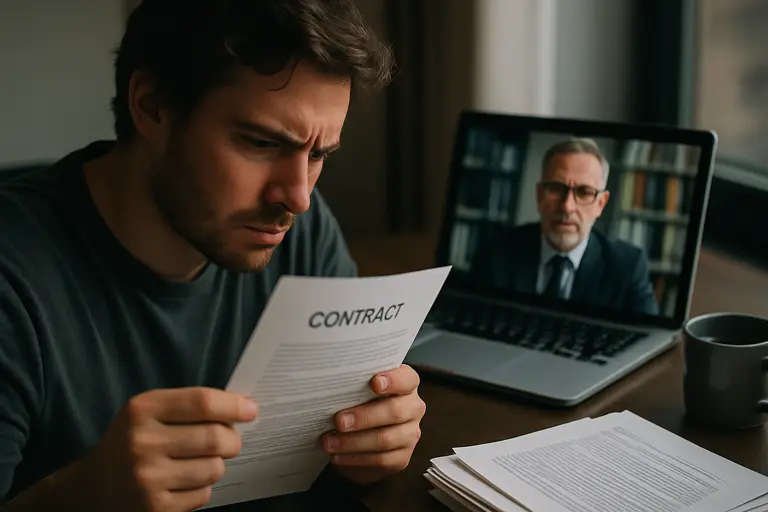
For streamers, compliance is not only a developer problem. If a channel promotes an island that later receives enforcement action, the audience may blame the face on stream even if a separate builder handled the implementation. Contracts between streamers and island developers should define who owns assets, who checks item descriptions, who approves promotional claims, and who handles player support. Smaller creators often skip those details, but Fortnite’s monetization direction makes informal deals riskier.
Community Trust Beats Short-Term Conversion
Fortnite creators have always had to balance entertainment, promotion, and community loyalty. The newer model tightens that balance. If payouts reward retention, then creators benefit when players genuinely like the island. If sales can happen inside the island, creators have more tools to earn, but also more ways to lose goodwill. If Sponsored Row bidding affects visibility, the creator market becomes less pure and more capital-sensitive.
The healthiest creator strategy is not to chase every revenue trigger. A streamer should ask whether an island gives viewers a reason to return without being pushed, whether any paid item is explained plainly, and whether the content schedule still works for people who spend nothing. That approach may be less aggressive, but it fits the long memory of gaming communities. Viewers forgive experiments; they are less forgiving when a creator turns every session into a checkout path.
Fortnite Creator Monetization And Streaming Strategy
As of August 20, 2026, Fortnite’s creator economy rewards a broader skill set than live charisma alone. Streamers need programming sense, partner discipline, island feedback loops, and a clear stance on spending. Fortnite Creator Monetization now sits closer to live-service publishing than old affiliate-style promotion, which raises the ceiling for organized creator teams and raises the pressure on solo channels.
The practical read is simple: creators who treat islands as community products will be better positioned than creators who treat them as banners. Build around repeat play, explain monetized features without pressure, protect younger viewers from manipulative language, and measure whether viewers come back after the stream ends. That is where the Fortnite economy has moved, and it is where streaming creators will feel the sharpest difference.