By DeShawn Carter | August 3, 2026
The competitive gaming landscape looks completely different today than it did just a few years ago. Relying purely on broadcast numbers and massive stadium events no longer guarantees long-term success. The organizations dominating the industry in 2026 figured out that true value lies in deep, localized connection. If you want to survive the current market shift, you must stop treating your fans like passive viewers and start treating them like active stakeholders. Building a sustainable esports community requires creating protected, high-value digital spaces where players actually want to spend their time.
We covered the financial realities of modern organizations in our recent breakdown of the Esports World Cup 2026 mid-tournament update, highlighting how clubs fight for massive performance bonuses. However, the teams generating the most consistent revenue do not just rely on prize pools. They monetize their core fanbases through premium access, exclusive Discord roles, and hyper-local tournament circuits. The days of simply streaming on Twitch and hoping people show up are completely over.
The Shift to Micro-Communities and Discord
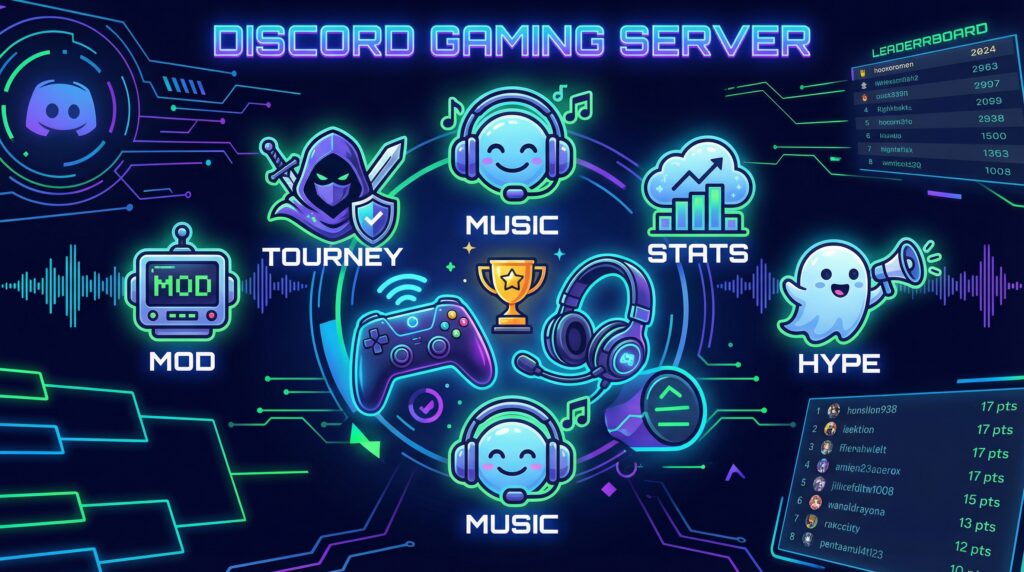
The loudest platforms offer the least engagement. Throwing updates onto massive social media feeds guarantees your message gets buried by the algorithm. Modern community managers now focus almost entirely on building private, gated experiences. Tools like Discord provide the absolute perfect infrastructure for this pivot. By setting up specialized channels, role-based access, and automated tournament tracking, you turn a passive chat room into an interactive club.
Successful organizations segment their Discord servers heavily. They separate the casual fans looking for memes from the hardcore competitive players grinding the ranked ladders. This structure mirrors the new localized league formats we see popping up across Europe and North America. Fans want to connect with players who share their specific interests and skill levels. Providing that organized infrastructure keeps your community active even when your main roster is not competing on stage.
Automated Engagement and Twitch Integration
Managing thousands of active fans requires serious automation. You cannot physically moderate every conversation or manually update bracket results during a weekend tournament. Smart community managers utilize deep integrations between Discord and Twitch to keep the ecosystem running smoothly. When your streamers go live, the community should receive instant notifications. When a player wins a weekly bracket, automated plugins should instantly assign them a temporary champion role inside the server.
| Platform Tool | Primary Function | Community Benefit |
| Discord Role Automation | Assigns tags based on tournament results | Rewards top players publicly |
| Twitch Extensions | Links in-game stats to live broadcasts | Keeps viewers deeply engaged |
| Hosted Bracket Websites | Centralizes all competitive event info | Reduces player drop-off rates |
These tools create a massive feedback loop. Players compete in your organized tournaments, they earn digital status within your Discord, and they tune into your Twitch streams to watch their peers. This interconnected web creates intense brand loyalty. If you want to see exactly how these tools improve player retention, review the latest documentation on automated tournament SDKs to see how professionals structure their competitive hubs.
Moving Past Free Access
The biggest challenge facing the industry this year is figuring out exactly what fans will pay for. We are seeing a massive push toward subscription models that offer premium digital experiences. If you build a strong, active community, a small percentage of those users will gladly pay for VIP access, direct communication with your coaching staff, or entry into high-stakes private brackets.
Building an esports community in 2026 requires more than just a cool logo and a decent competitive roster. You must act as an event organizer, a digital landlord, and a consistent content creator. Provide genuine value, utilize automation tools to manage the chaos, and give your fans a reason to log in every single day.